



How Can You Help Older Adults With Migraine?
Are you a caregiver of an older adult who lives with migraine? We understand that you want to support them in any way possible to help them live more comfortably — and you can.
With some simple steps, you can make a difference in how they manage their condition. Here’s how you can help older people with migraine.
Is there a connection between migraine and older individuals?
Yes, as multiple physiological and neurological factors are at play:
Vascular changes
As people age, their blood vessels may become less flexible and more prone to certain conditions. Hypertension and atherosclerosis, the buildup of fat and cholesterol in the arteries, are common heart conditions in older populations. Migraine often involves changes in blood flow and vascular inflammation. These age-related changes may contribute to migraine episodes in older adults.
Neurological factors
Another possible link includes neurological factors like abnormal brain activity and neurotransmitter imbalances. Examples include changes in serotonin and dopamine levels. In older individuals’ brains, neurotransmitter regulation may shift, making some more prone to migraine or altering how they experience them.
Hormonal fluctuations
Women who experience migraine related to menstruation or hormonal fluctuations may see a few changes at menopause. Some may experience more frequent migraine attacks during the perimenopause stage, only for it to decrease or stop once during the menopause stage. However, others may experience new-onset migraine post-menopause due to changes in their estrogen levels.
Underlying health conditions
As people age, their risk of developing chronic diseases increases. Some of these health conditions mimic migraine symptoms. Examples include stroke, transient ischemic attacks (TIAs) or neurodegenerative diseases. It’s important that you differentiate migraine from other conditions.
You can start developing migraine later in life — this is known as late-onset migraine or new-onset migraine after 50. However, new headache disorders in older individuals must always be carefully evaluated, as they are red flags and could indicate other medical conditions.
Try CEFALY for Migraine Relief
The signs and symptoms of migraine in older adults
Older adult headaches and migraine symptoms often differ from those of younger individuals. That said, there are common signs to look for:
- Dull, pressing or mildly throbbing headache pain
- Tingling, numbness or weakness in the face, hands or on one side of the body
- Visual disturbances like flashes of light, blind spots, temporary vision loss or zigzag lines
- Stroke-like symptoms like temporary weakness, slurred speech and facial drooping
- Dizziness, vertigo or balance issues
- Confusion or memory difficulties
- Neck pain and stiffness
Note that migraine and headaches in older adults can differ, varying in symptoms, frequency and severity. They may experience one or multiple symptoms.
Does migraine get worse with age?
It depends on the individual. For instance, people can experience less frequent and severe migraine compared to their earlier years. Also, women in menopause experience less migraine or report it to completely stop.
However, in some cases, migraine may worsen due to other health conditions, like high blood pressure, that exacerbate symptoms. Some older individuals may struggle to live a healthy lifestyle. As a result, they may be more dehydrated, stressed and poorly rested, which may trigger migraine.
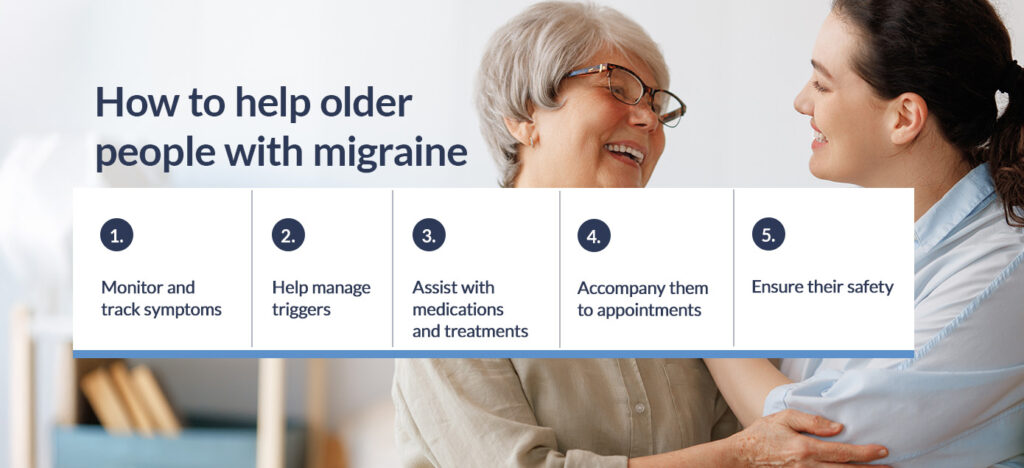
How to help older people with migraine
There are various ways you can help older adults who experience migraine.
1. Monitor and track symptoms
One of the most important roles you can play is monitoring their symptoms. You can use a migraine diary to track their unique migraine experience, from their triggers and symptoms to their treatments and their medication effectiveness. Here, you can also note whether they had any new or worsening symptoms. A migraine diary is an invaluable resource for you, your older patient and their healthcare provider.
2. Help manage triggers
As a direct caregiver, you should be well-versed in what triggers your older patient’s migraine. Understanding and avoiding common migraine triggers is a great first step. You can also encourage them to live a healthier lifestyle by drinking enough water, trying stress-relief techniques, getting a few daily steps in and practicing good sleep hygiene.
3. Assist with medications and treatments
You may carry the responsibility of helping treat your older patient’s migraine. You can do this by ensuring they take their prescribed medications on time and as directed by their healthcare provider. Watch for any side effects or interactions with other medications they may be taking. This is where the migraine diary will shine.
4. Accompany them to appointments
Another way to support older adults with migraine is to accompany their doctor’s appointments. Depending on their health and preference, you can either speak for them or offer a third-person perspective on their migraine management.
5. Ensure their safety
Some migraine symptoms can put older individuals at risk. For example, if they feel dizzy or have a visual aura, you can help prevent them from falling or even declutter their spaces to minimize the risk. You can also offer mobility support if needed. Be prepared for migraine episodes that may include confusion or even stroke-like symptoms. Seek medical attention if necessary.
When to seek professional help
If you notice any of the following, seek help from a medical professional:
- A sudden and severe headache, known as a “thunderclap headache”
- A new or different headache that they haven’t experienced before
- Any weakness, numbness, confusion or slurred speech — this could indicate a stroke
- Loss of consciousness, severe dizziness or difficulty walking
- Vision loss that lasts longer than usual or doesn’t improve
- A headache that occurs after a head injury, even if it’s mild
Alternative treatments for migraine in older adults
Are you looking for alternative and nonpharmaceutical options to help manage older adult headaches? Consider these strategies.
1. Healthy habits
SEEDS is one acronym to remember when implementing healthy habits for older individuals. It’s a wellness model that stands for:
- Sleep: They can follow a nighttime routine to get enough quality sleep with little disruptions.
- Exercise: Encourage them to try a few older adult-friendly exercises like walking, stretching or water aerobics.
- Eat: Ensure they follow a healthy nutrition plan that avoids their migraine trigger foods and drinks.
- Diary: Stay consistent with their migraine diary, including information about their lifestyle for better insights.
- Stress: Help them manage their stress levels with a few relaxation techniques.
2. Physical and relaxation therapies
Various holistic methods can help treat migraine, including:
- Cold and warm compresses: For pain relief, apply an ice pack to their forehead or a warm cloth to their neck.
- Acupuncture: Consider trying acupuncture for migraine as some have found relief using this therapy.
- Massage therapy: A gentle head, neck and shoulder massage can help with migraine and muscle tension.
- Meditation: Help them with guided meditation and deep breathing sessions to reduce stress and tension.
3. Herbal and nutritional supplements
If you’re considering supplements for your older patient, check with their healthcare provider before use. That said, you can consider:
- Magnesium: There’s evidence that magnesium may help people with migraine. If they have low levels, consider this supplement.
- Vitamin B12: A vitamin B12 deficiency may lead to more severe migraine. Consider a riboflavin supplement to keep vitamin B12 levels normal.
- Coenzyme Q10: Also known as CoQ10, this supplement may help lower migraine frequency, severity and duration in some.
4. Medical devices
There are various medical devices on the market that can help people with migraine. CEFALY is a no prescription required and drug-free medical device designed for migraine treatment. This device is easy to use, making it an excellent option for people of all ages who live with migraine — including older adults.
There are two simple modes:
- ACUTE: Use this mode at the first sign of a migraine attack to help relieve pain.
- PREVENT: Use this mode daily to help prevent future migraine attacks.
The CEFALY device targets the trigeminal nerve — the main pathway for migraine pain — through external trigeminal nerve stimulation (eTNS). It sends precise electrical impulses to stimulate and desensitize the nerve over time.
Consider CEFALY for migraine relief in older adults
At CEFALY Technology, we understand how painful migraine can be. That’s why we created an FDA-cleared and clinically proven medical device to help people of all ages prevent and relieve migraine pain.
Try CEFALY Connected today with our 90-day money-back guarantee!



Latest Posts

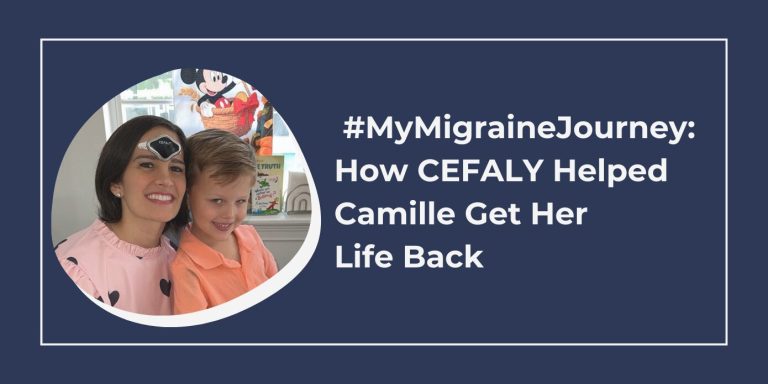
“CEFALY Gave Me My Life Back”: Camille’s Search for a Drug-Free Migraine Treatment
Discouraged by her experience with medications, Camille began building a toolkit of non-pharmacologic migraine treatments. Find out what…
What Patients Need to Know About Episodic Migraine vs. Chronic Migraine
While official definitions classify episodic migraine as fewer than 15 headache days per month and chronic migraine as…