



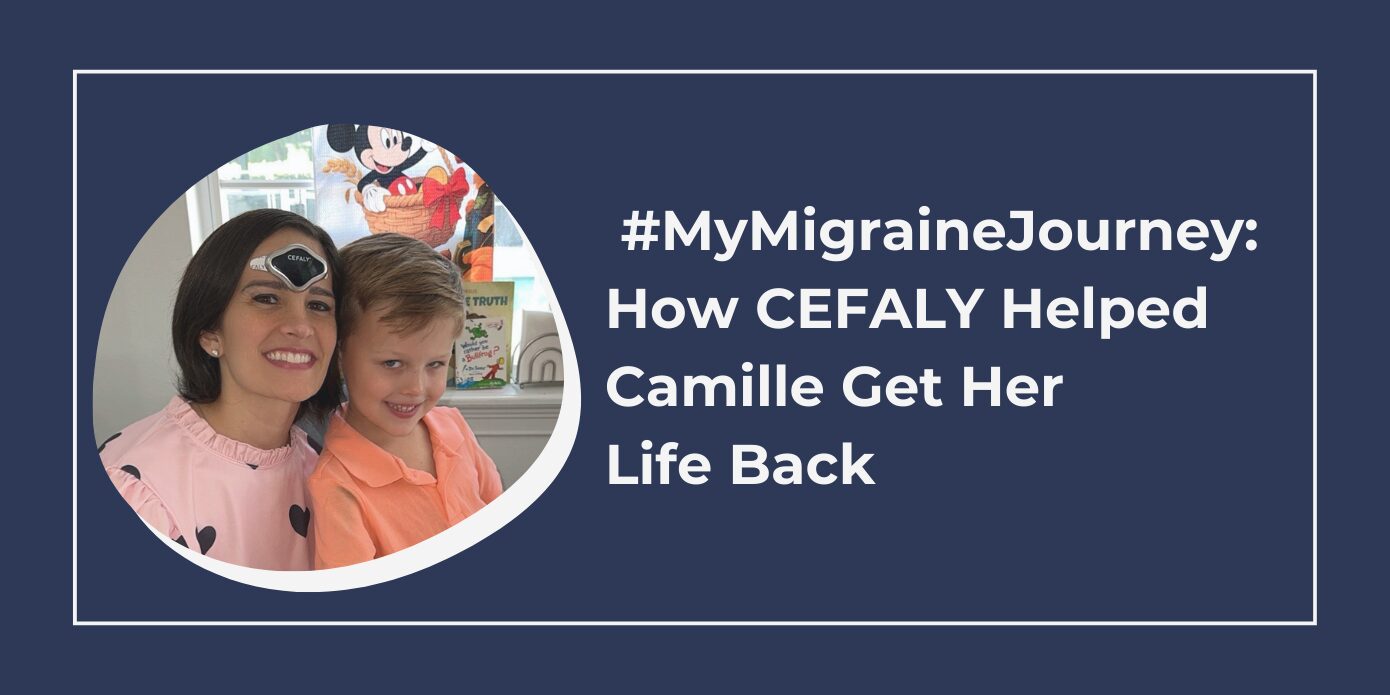
“CEFALY Gave Me My Life Back”: Camille’s Search for a Drug-Free Migraine Treatment
Discouraged by her experience with medications, Camille began building a toolkit of non-pharmacologic migraine treatments. Find out what worked for her—and how CEFALY’s wearable device helped her reclaim the days that mattered most.
First Name: Camille
Role: Stay-at-home mom + Family Nurse Practitioner student (Duke University)
Years with migraine: 4
How long have you lived with migraine?
I’ve lived with migraine since my second pregnancy with my daughter. That pregnancy marked the beginning of my migraine journey, and I strongly believe hormonal shifts, particularly estrogen, played a significant role.
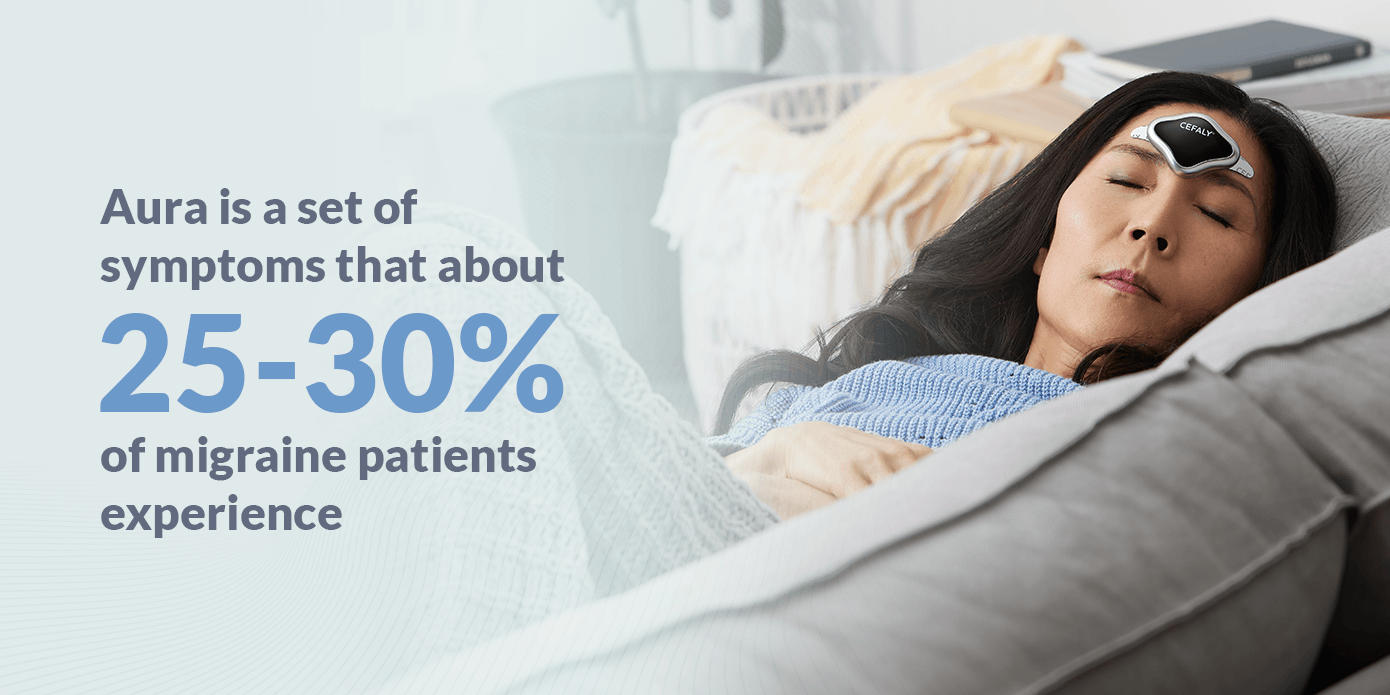
Early on, I experienced migraine with aura continuously for one to two months. At the very beginning, it became severe enough that I was hospitalized after having daily aura symptoms for nearly two weeks straight.
During that time, I started learning everything I could about migraine management and prevention. I incorporated riboflavin (vitamin B2), magnesium glycinate, and other supportive strategies. During pregnancy, I also received nerve blocks, but those eventually failed and led to a traumatic medical experience which actually worsened my migraine attacks rather than helping them.
After that, I turned more intentionally toward drug-free migraine treatment and other non-pharmacologic migraine treatment options. That’s when I discovered CEFALY.
How did you first hear about CEFALY?
I first heard about CEFALY through one of my providers at Neura Health. At that point, I wasn’t finding success with traditional medical approaches, and I was feeling discouraged in my search for migraine relief.
I wanted a way to desensitize the actual source of my migraine, where the pain begins. My provider recommended CEFALY as a non-pharmacologic option, and it immediately stood out to me. CEFALY felt like a natural next step and ultimately became a game changer.
When do you usually get migraine attacks?
My migraine attacks tend to build gradually if I don’t intervene early, which is why recognizing my triggers and early symptoms has been so important.
My most common triggers and patterns include:
- Hormonal migraine: I notice migraine attacks most often around ovulation and my menstrual cycle, and pregnancy has also consistently worsened my migraine.
- Strong artificial scents (perfumes, candles, detergents, cleaning products)
- Food triggers: MSG, soy, sugar, chocolate (especially dark chocolate), sometimes dairy, spicy foods
- Lack of sleep (which can be challenging with young children)
- Illness
- Weather changes / barometric pressure shifts (especially during pregnancy)
Over time, I learned how to recognize early symptoms and intervene quickly. One thing I appreciate about CEFALY is that I can use it while continuing to care for my kids and manage daily life.
What’s in your migraine toolkit?
- My CEFALY device for both daily prevention and acute relief
- Magnesium (glycinate and threonate)
- Riboflavin (B2)
- CoQ10
- BUOY Rescue Salt — a pinch under the tongue at onset
- Red light therapy directly on trigger areas
- Massage and acupuncture
- Hydration with electrolytes (I love Instant Hydration for quick replenishment)
- Magnesium flakes bath for deep muscle relaxation
- Putting my feet in extremely hot water — the heat causes vasodilation in the lower extremities, which can help draw blood flow away from the head and ease migraine pressure
- Cold pack wrapped around my head for cooling relief
- Ibuprofen as needed (which is rare now — I’ve only needed it three times this year)
- Prayer and rest
- Whole-food, anti-inflammatory diet — I eat gluten-free, dairy-free, and soy-free, avoid MSG, and stay away from chocolate, which I’ve learned is one of my triggers
What does migraine feel like for you?
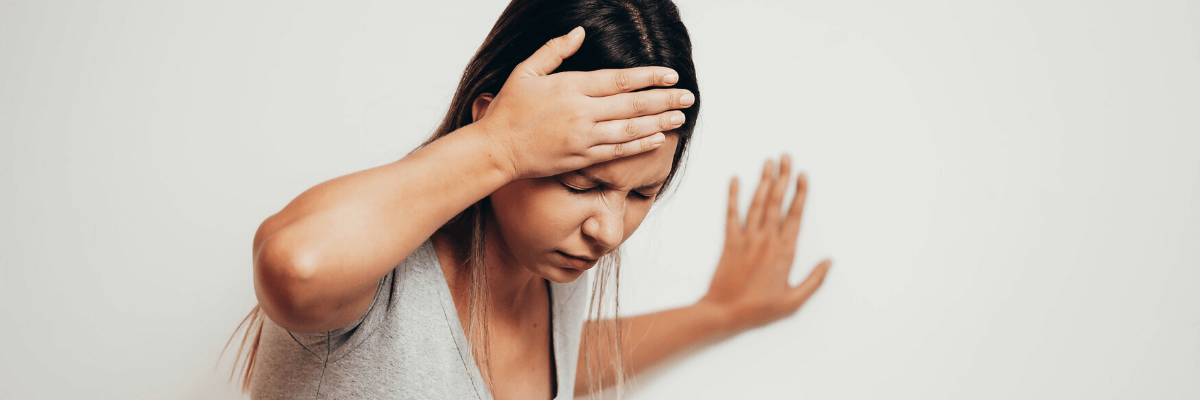
My migraine attacks are very consistent in where they show up. They’re almost always on the right side of my head, centered near my trigeminal nerve—just above my right eye—similar to an ocular migraine. That area is usually the starting point, and the pain can travel backward along the occipital nerve, staying on the right side and radiating toward the back of my head.
At times, I also experience vestibular migraines, which feel more like dizziness and vertigo rather than pain. But most often, it’s a focused, one-sided pressure and discomfort above my right eyebrow and across the top of my forehead.
Because the pattern is predictable, I’ve learned how to respond quickly. When I use my CEFALY device early, I’m often able to stop the migraine before it fully develops.
What does CEFALY feel like?
To me, CEFALY feels like a gentle electrical massage. It’s tingly, soothing, and melts away the tension on my forehead and scalp. I actually look forward to using it now; it’s become part of my self-care routine, especially on those busy mom days when I rarely stop to take a breath.
What was life with migraine like before CEFALY?
Before CEFALY, life with migraine felt like a revolving door of appointments, medications, and disappointment. I spent so much time at neurology appointments, constantly feeling like something was wrong with me. I tried nerve blocks that failed, medications that didn’t work, and doctors who just kept prescribing and hoping something would “stick.”
I felt trapped in a cycle of rebound headaches from other treatments, relying on caffeine as a desperate crutch, which only made things worse. I was constantly counting the days between attacks, anxious about when the next one would hit, and wondering if I would live like this forever.
The hardest part was missing out on moments with my kids during such fleeting years of their childhood. I wasn’t able to fully enjoy pregnancy, and I even started going to Disney less — something my family loves — because I could never predict when a migraine would strike. I felt like migraines were stealing time I could never get back.
How has CEFALY helped you get back to life?
Now, I typically experience migraine attacks about one to four times per month. With consistent use of CEFALY (and other drug-free migraine treatments and supportive measures, like ginger and electrolytes at onset) I can usually reduce my migraine attacks to one or two per month, and I’m often able to stop an attack within the first 20 minutes.
CEFALY gave me my life back. It allowed me to be present, to enjoy the noise, the laughter, and the chaos of motherhood again. I no longer live in fear of when the next migraine will come. I can take my kids to the park, go on trips, and plan our days without that heavy cloud of worry. Instead of being completely sidelined, I’m able to manage symptoms early and keep migraine attacks from taking over my day, which has been life-changing for me.
What made you want to share your story?
Sharing my story is deeply important to me, both as a mom and as a future healthcare provider. I especially want to help women who are struggling, because I know firsthand how isolating and overwhelming migraine can feel.
I want women to know that there are real, practical options available and that we don’t have to suffer in silence. From someone who has truly been there, I want to share that migraine days don’t have to take over your life. There is hope.
At times, I felt helpless navigating migraine care, and I never want another woman to feel that way. Knowing there are effective, safe, non-pharmacologic options is incredibly empowering, and that message is something I feel called to share.

Latest Posts
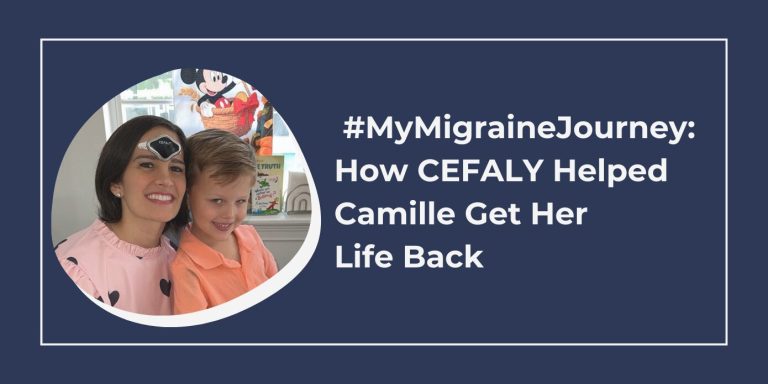
“CEFALY Gave Me My Life Back”: Camille’s Search for a Drug-Free Migraine Treatment
Discouraged by her experience with medications, Camille began building a toolkit of non-pharmacologic migraine treatments. Find out what…
What Patients Need to Know About Episodic Migraine vs. Chronic Migraine
While official definitions classify episodic migraine as fewer than 15 headache days per month and chronic migraine as…