




How to Avoid Migraine Headaches While Studying
- Can studying cause migraine?
- Causes of migraine while studying
- Tips to help avoid migraine while studying
- How to study with migraine
If you’re a college student who experiences migraine headaches while studying, you’re not alone — between 10% and 18% of college students experience migraine worldwide. Studying for exams can make migraine attacks more intense or more frequent, and a migraine attack can impede your study success.
Exams are stressful enough without having to deal with migraine attacks. If an attack happens, you want to ease the symptoms quickly so that you can return to work. We’ll cover why studying can lead to migraine and some tips to avoid attacks.
Can studying cause migraine?
Many students get headaches from studying, but migraine is more than a headache. It’s a neurological condition that affects your daily life. While there’s no direct link between migraine and the act of studying, many of the things we do while studying can trigger migraine attacks.
Everyone’s migraine triggers are different. If you can pinpoint yours, you can remove it.
Causes of migraine while studying
Tests and exams can be a challenging time. Many students change their routines in the hopes of getting top results. These changes may seem insignificant, but over time, they may create the ideal migraine environment. Some possible causes of migraine headaches while studying include:
- Exam stress: Stress is one of the most common migraine triggers. Studying for exams is a top stressor for students, with 59% saying exams bring them stress. Sitting for long periods can also cause physical stress and tighten your neck and shoulder muscles.
- Lack of sleep: Disrupted sleep is another migraine trigger. When studying, you’re likely to experience changes in your sleep routine. When combined with stress, it’s an even more potent trigger.
- Eye strain: Staring at a digital screen for hours can also bring on migraine symptoms. Bright lights are a well-known migraine trigger, and prolonged reading strains your eyes.
- Caffeine: One study looking at caffeine use among undergraduates found that 91.1% of participants consumed caffeine. While it may be tempting to drink more coffee or energy drinks than usual when studying, both caffeine withdrawal and overuse can cause migraine.
- Food and drinks: Study time can also interrupt your regular eating routine. Snacks and sugary drinks are tempting, and you may not have time to make healthy food. However, foods with preservatives and artificial sweeteners can trigger migraine attacks. Even a change in your normal eating routine can be a trigger.
Studying for exams can often compound these triggers. You may be stressed, lacking sleep, eating unhealthy snacks or consuming lots of coffee. Any of these triggers can cause a migraine attack on their own — when combined, they can make studying extremely challenging.




Tips and tricks to help avoid migraine headache while studying
With the right approach, you can avoid migraine attacks while studying. The following tips can help you set up your study environment to reduce triggers:
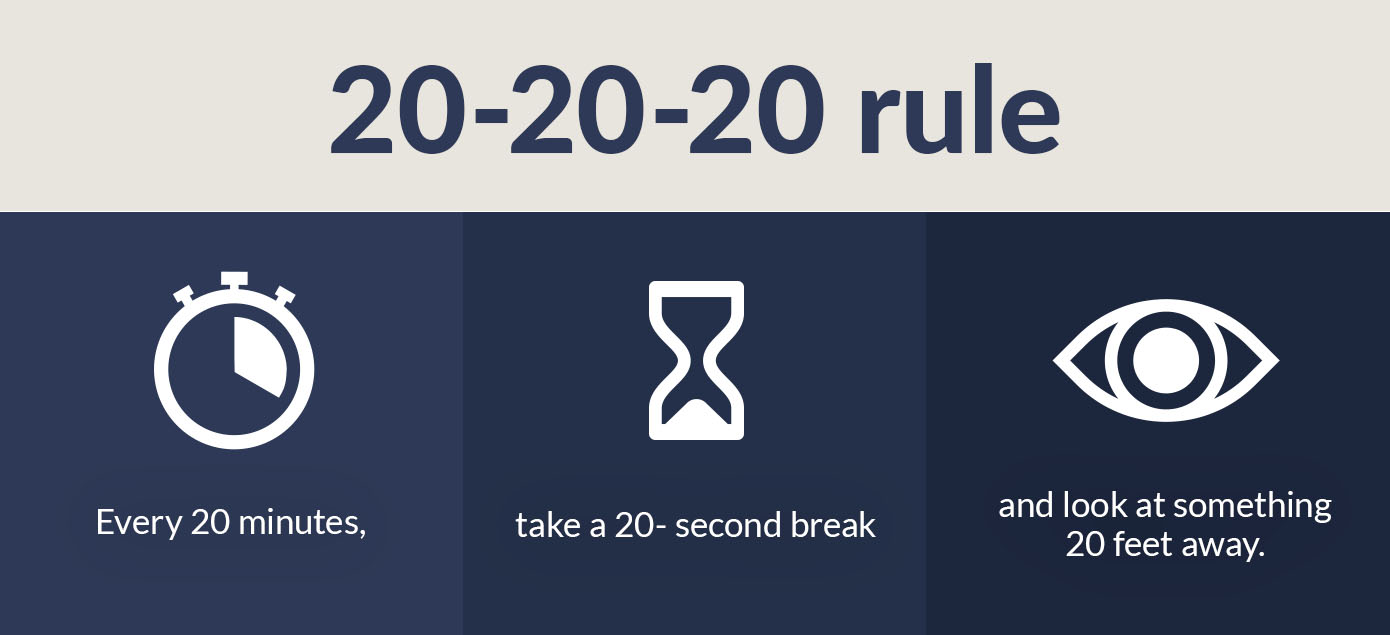
- Take lots of breaks: Looking away from your screen often can help reduce eyestrain. Try the 20-20-20 rule — every 20 minutes, take a 20-second break and look at something 20 feet away.
- Create a comfortable environment: You know you’ll sit for long periods while studying. Set yourself up for success with an ergonomic chair and an anti-glare screen. The chair will help you with your posture, and the screen will reduce eye strain in bright environments. You can also adjust the lighting in your study area to reduce eyestrain.
- Consume caffeine in moderation: Caffeine can help when you have a lot of work to get through. Too much, though, can trigger migraine and interrupt your sleep, creating a compounded migraine trigger.
- Practice stress management: Exam stress is part of student life. A certain amount of stress is even good for you. In contrast, too much can trigger a migraine attack. Stress management techniques are essential during exam time. Consider yoga, meditation or breathing exercises to regulate your stress levels.
- Create a study routine: Lack of sleep and poor food choices can be challenging when dealing with migraine. Creating a routine can relieve the pressure. Eat on a regular schedule, and drink plenty of water. Fill your fridge and pantry with nutritious snacks. Create a nighttime routine that prioritizes comfort and sleep quality. And, when possible, avoid studying through the night.
How to study with migraine
Despite your best efforts, there may still be times when you need to study during a migraine attack. Luckily, you can take steps to relieve the pain and other symptoms. The following tips can help you study with migraine:
- Remove the noise: Studying with music in the background can worsen migraine discomfort. Turn off the music when you first notice migraine symptoms to limit sensory overload.
- Stay hydrated: It’s easy to forget to drink water when studying, but dehydration can worsen your symptoms. Keep a water bottle on your desk and sip throughout the day.
- Dim the lights: Bright light is a common migraine trigger. Dim your screen and the lights in your study space, or move to a space with natural lighting if possible. You can also wear tinted glasses for migraine if they work for you.
- Practice relaxation: If studying stress gets the better of you, take a few moments to relax. Try some migraine relaxation techniques and controlled breathing exercises.
- Build a migraine toolkit: You can relieve migraine symptoms more effectively when prepared. A migraine toolkit is a collection of items that can soothe your symptoms. Your toolkit is specific to you and should contain things that have worked in the past. Typical items include ice packs, heating pads, medication and sunglasses.
- Use CEFALY: CEFALY is an FDA-cleared, drug-free migraine treatment that targets and desensitizes the trigeminal nerve, which is the primary pathway for migraine pain. The ACUTE program can relieve symptoms at the first sign of an attack. You can also use the PREVENT program daily to help prevent future attacks.
Remember that your health should come first — if you need to take a break from studying to rest while you deal with migraine pain, you should do so.
Discover CEFALY and manage migraine while you study
As a college student, the last thing you want is for migraine to impact your academic results. Often, the best way to manage migraine attacks is to try many approaches.
Make CEFALY part of your approach to migraine treatment. Our clinically proven, drug-free migraine treatment and prevention device empowers you to take control of your treatment. Then, you can focus on your studies and get the results you deserve. In our largest clinical study yet, 42.5% of users saw a resolution of all migraine symptoms after two hours of ACUTE treatment.
Tackle your next exam period with confidence. Reach out to us if you want to learn more about CEFALY. Our team is always happy to help. You can also try CEFALY for 90 days with a money-back guarantee!






Latest Posts


“CEFALY Gave Me My Life Back”: Camille’s Search for a Drug-Free Migraine Treatment
Discouraged by her experience with medications, Camille began building a toolkit of non-pharmacologic migraine treatments. Find out what…

What Patients Need to Know About Episodic Migraine vs. Chronic Migraine
While official definitions classify episodic migraine as fewer than 15 headache days per month and chronic migraine as…