




How Migraine Affects Appetite and Food Cravings
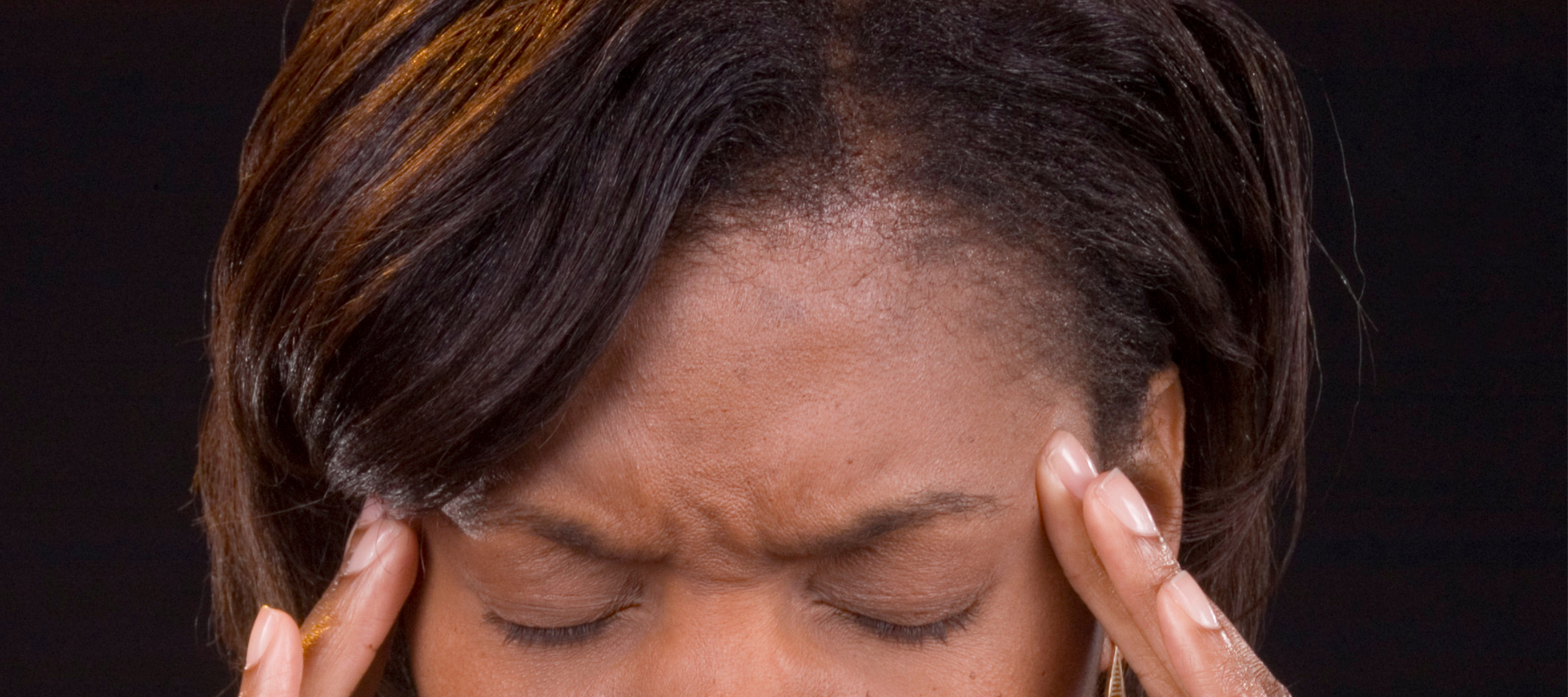
A migraine is an acute health and neurological condition that affects over one billion people worldwide. The primary sign of migraine is a recurrent and intense headache. Another common but less-known migraine indicator is a change in appetite. Many people with migraine have identified appetite shifts before and during attacks.
How a migraine can affect your appetite and cravings
There are four common stages of a migraine — prodrome, aura, headache and postdrome. The pre-headache, or prodrome, and the headache period are often when appetite is most affected. Although symptoms vary from person to person, there are similar patterns.
Appetite loss before the onset
In a study published in Frontiers in Neurology that examines the relationship between diet and migraine attacks, 30% of participants lost their appetite the day before an attack in at least one out of four of migraine attacks. This number rose to 41% of people in the hours before the migraine attack. Decreased appetite and missed meals are both causes and symptoms of a migraine attack. Nausea, depression and difficulty sleeping in the prodrome phase of your migraine can also impact your appetite.
Hunger or cravings before migraine onset
In the same study, 38% of participants reported food cravings the day before at least one out of four of their attacks. This number went down to 26% in the hours before. Typical cravings included fried, salty, sugary and greasy foods such as sweeteners, chocolate, fermented cheese and citrus. For some, cravings may arise in the days or hours before a migraine. Other people might experience more general migraine hunger with no specific cravings.
If you’ve wondered why you’re so hungry during a migraine — or before — now you know. Migraine food cravings are an identified characteristic of the prodrome phase of a migraine. Just remember that eating certain foods can also trigger an attack.
Nausea and severe pain during a migraine attack
During the headache stage of migraine, which can last anywhere from four to 72 hours, you may experience nausea and vomiting. These symptoms — plus mood shifts, sensitivity to smell, and severe and throbbing head pain — can affect your desire to eat anything.



Tips for managing loss of appetite and migraine cravings
Many people notice the above patterns in their appetite before and during a migraine attack. Some people may even experience nausea, pain from the migraine and hunger at the same time, which can be tough to manage. To help you reduce and manage symptoms, including cravings and loss of appetite, you can use the following preventative or treatment tips.
1. Understand the timeline of a migraine
Once you understand the progression of a migraine, you can learn to spot signs of an upcoming attack. When it comes to diet, you can begin to see when you get food cravings most and plan how to address them.
2. Keep a migraine journal
Keeping a journal is a great way to discover your unique migraine timeline. In it, you can record when you get attacks, how long they last, what symptoms you experience and when those symptoms start before the headache phase. Your pattern may not remain the same every time, but you can use your migraine journal to recognize food triggers and learn which cravings point to an oncoming migraine.
3. Stay hydrated
Drinking lots of water and staying hydrated can help you regulate your appetite. You may eat less and better manage cravings when you’re well-hydrated.
4. Introduce regular exercise and mindfulness practices
Movement and mindfulness techniques like meditation, journaling, breathing exercises or yoga can help manage some prodrome phase symptoms, including feelings of depression and insomnia. Take a walk to clear your mind, boost your energy and distract yourself from food cravings. Exercise can also promote regulated eating to address appetite loss or excessive eating.
5. Find healthier alternatives for cravings
Once you’re more familiar with your repeated pre-headache cravings, you can learn to manage them. First, you can stock up on healthier alternative foods that can give you similar satisfaction to what you’re craving. If you want chocolate, make it dark chocolate — or try fruit to satisfy your sugar craving.
If your craving doesn’t go away, try to feed it in a nutritious way. For example, let’s say you want fried chicken. You can opt for a grilled version instead. Or, instead of buying fast food, you can make a homemade version with healthier ingredients.
Try CEFALY to Prevent & Relieve Migraine Pain
6. Try migraine-aware eating during episodes
It’s crucial to find migraine-friendly meals, especially if you experience appetite loss during attacks. The ideal foods can differ from person to person. To get the nutrition and energy you need, try:
- Liquids and fluids, including soups, broths, smoothies, shakes and lots of water.
- Boiled and poached eggs for filling meal options that aren’t too large.
- Yogurt, oatmeal, porridge, cottage cheese and steamed or mashed vegetables.
- Ginger to help reduce nausea and encourage appetite.
Pay attention to your body and adjust your portions, chosen meals and frequency as needed. Eating during your migraine is necessary for sustained energy and recovery. If you struggle, start with smaller portions and fluid options.
7. Get professional medical support
Consulting a doctor or nutritionist can provide much-needed insight into the causes and triggers of your migraine, your unique symptoms and how to manage your condition. They may also offer supplements and medical advice to help regulate your appetite before and during episodes.
Manage your migraine with CEFALY
Migraine attacks can be debilitating. With these tips, you can manage some of the appetite shifts you experience during your episodes. With ACUTE and PREVENT programs, CEFALY can help you reduce headache intensity and prevent future attacks.
Learn more about our devices, then purchase safe and effective pain relief today.


Latest Posts

“CEFALY Gave Me My Life Back”: Camille’s Search for a Drug-Free Migraine Treatment
Discouraged by her experience with medications, Camille began building a toolkit of non-pharmacologic migraine treatments. Find out what…

What Patients Need to Know About Episodic Migraine vs. Chronic Migraine
While official definitions classify episodic migraine as fewer than 15 headache days per month and chronic migraine as…