




Status Migrainosus: Migraine for Days
While migraine is common — impacting billions worldwide — status migrainosus is a much rarer and more stubborn beast. If you’ve ever endured a migraine for days, you know how it can disrupt even the simplest parts of life, leaving you drained and desperate for relief.
The best way to tackle this relentless condition is by understanding it better. So, what should you do when a migraine won’t go away? Don’t worry — you’re not alone. Let’s find a way to manage this condition.
What is status migrainosus?
Status migrainosus is a continual migraine episode that lasts longer than 72 hours. This type may present more intense symptoms, which can be debilitating for those who experience it. Due to its severity and duration, this migraine type may not respond to usual migraine treatments.
So, how does this type of migraine differ from a typical one? The typical migraine episode has four stages:
1. Prodrome: The pre-headache phase can start several hours or days before the headache phase.
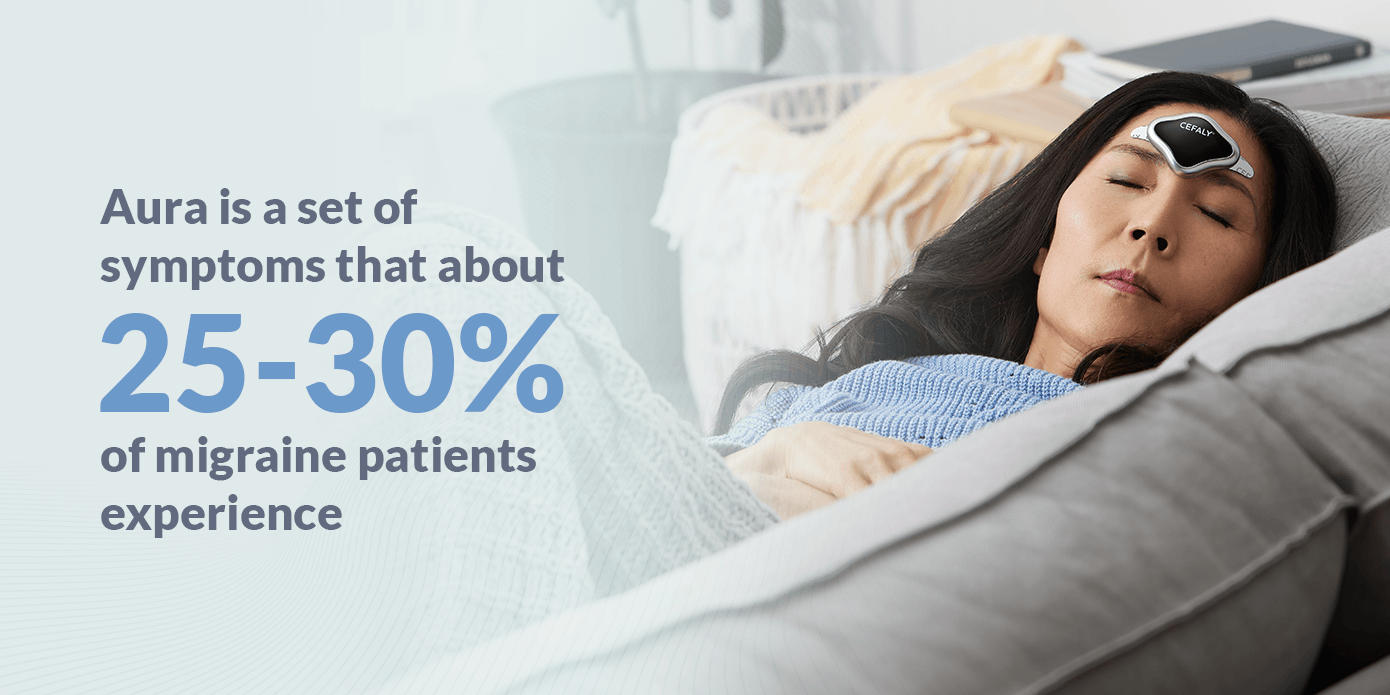
2. Aura: Five to 60 minutes before the headache phase is the aura phase. (Most people with migraine don’t experience aura.)
3. Headache: This phase is marked by head pain that can last up to 72 hours.
4. Postdrome: The “hangover” phase may last 24-48 hours.
With status migrainosus, the headache phase lasts longer than the typical migraine or migraine with aura — at least 72 hours and longer. For those who experience migraine with aura, the aura phase may also last longer.
Status migrainosus can make daily life extremely challenging. Those with the condition may not be able to carry out any of their normal personal or professional routines.




Symptoms of status migrainosus
The status migrainosus symptoms are quite similar to typical migraine but are more intense and persistent. They include:
- Severe, prolonged migraine headache for three days or longer, often one-sided and throbbing.
- Nausea and vomiting, sometimes making it hard to keep fluids or medications down.
- Sensitivity to light, sound and smells, which can make certain environments overwhelming.
- Aura symptoms like visual disturbances, numbness or speech difficulties — in some cases.
- Extreme fatigue and exhaustion with disrupted sleep patterns.
- Cognitive issues such as brain fog or trouble concentrating.
There can be additional or less common symptoms such as:
- Neck pain or stiffness
- Dizziness
- Mood changes
- Loss of appetite
- Dehydration or dry mouth
Causes of status migrainosus
Although the exact cause of status migrainosus isn’t yet known, there are possible triggers. A possible reason could be that a person’s current migraine treatment plan doesn’t fit their body’s needs. In other words, their current migraine medication could be the main culprit because:
- The dosage is too high or too low
- Their body is getting used to the new medication
- The medication takes too long to take effect

Additionally, one or a combination of the following triggers could develop a migraine attack into a status migrainosus attack:
- Changes to medication taken regularly
- Missing meals
- Lack of sleep
- Stress
If you believe you’re experiencing status migrainosus, please speak with a healthcare professional for a proper diagnosis. They can help you identify the likely causes of your symptoms.
How is status migrainosus diagnosed?
There is no definitive test for migraine or status migrainosus. However, a healthcare professional may do the following to rule out other possible causes:
- Take medical history
- Ask about symptoms
- Perform physical examination
- Perform neurological examination
The doctor may also use the International Classification of Headache Disorders third edition (ICHD-3) as a guide for the condition’s diagnostic criteria. The ICHD-3 defines status migrainosus as the following:
- Occurs in people with a migraine or migraine with aura diagnosis
- It’s typical of the person’s prior migraine attacks, except for its duration and severity
- The attack lasts longer than 72 hours
- The person experiences debilitating pain or associated symptoms during an attack
- Doesn’t fit other possible diagnoses in the ICHD-3
Once your healthcare provider confirms your diagnosis, you will work together to develop a treatment and management plan that suits your needs.
Try CEFALY for Migraine Relief
How to manage status migrainosus
There are several treatments — professional and at-home — people with status migrainosus can try.
Professional treatment
Since status migrainosus is severe and could lead to complications like dehydration or medication use, a healthcare professional should be involved. Their treatments may involve:
- Intravenous (IV) fluids: Injecting individuals with IV fluids will help combat dehydration caused by vomiting or inadequate fluid intake.
- Triptans: Could be effective for some migraine attacks, but less so for prolonged episodes.
- Dihydroergotamine (DHE): DHE is often used intravenously for severe or resistant migraine.
- Anti-nausea drugs: These help control vomiting and allow other treatments to work.
- Steroids: Dexamethasone, for example, helps reduce inflammation and break the migraine cycle.
- Magnesium sulfate: Sometimes given via the IV for headache relief.
- Hospitalization: In rare and extreme cases, some people will be hospitalized for observation and more aggressive treatment.
Home treatments for status migrainosus
Consider trying the following home remedies that can help manage symptoms of status migrainosus:
- Hydration: Drink water or electrolyte-rich fluids to prevent dehydration.
- Rest: Rest in a dark and quiet room to reduce sensory stimuli that worsen symptoms.
- Cold compress: Apply a cold compress to the head or neck to ease pain.
- Nonsteroidal anti-inflammatory drugs (NSAIDs): NSAIDs like ibuprofen and aspirin can help early on, but be careful to avoid overuse.
- Relaxation techniques: Try popular techniques like meditation, deep breathing or light yoga for potential relief.
Please seek professional help immediately if your migraine attack persists and doesn’t improve with treatments, if you have severe dehydration due to vomiting or if new neurological symptoms — weakness, confusion or vision loss — occur.
How to prevent status migrainosus
While there’s no guaranteed way to prevent it entirely, the following methods may help reduce your risk.
1. Identify and avoid triggers
The first layer of defense you can build is using a migraine diary to track triggers specific to you, from sleep issues to stress levels. Typical triggers could include, but are not limited to:
- Stress
- Dehydration
- Certain foods
- Skipping meals
- Hormonal shifts
- Environmental factors
You can then avoid the migraine triggers you’ve identified to help reduce the frequency of status migrainosus attacks.
2. Medication management
There are different medications available that can help prevent an attack, such as:
- Beta-blockers
- Anti-depressants
- Antiseizure drugs
- Calcitonin gene-related peptide (CGRP) inhibitors
Avoid medication overuse as it could lead to medication-overuse headaches — doing the opposite of what you want. If you’re considering managing your status migrainosus through pharmaceuticals, please consult with a healthcare professional first.
3. Lifestyle adjustments
Use the acronym “SEEDS” to help make lifestyle adjustments:
- Sleep: Go to bed and wake up at the same time daily.
- Exercise: Engage in low-impact activities like walking or yoga to reduce stress.
- Eat: Eat balanced meals at consistent times and stay hydrated.
- Diary: Keep a migraine diary to understand your specific triggers and patterns.
- Stress: Practice relaxation techniques like meditation or deep breathing.
Disruptions or imbalances of the above may trigger a migrainosus attack. Living a healthy lifestyle and managing stress levels can make a difference.
4. Wearable devices
There are several medical devices that could help with migraine symptoms. One FDA-cleared and clinically proven option is CEFALY. This wearable device targets the trigeminal nerve — the primary pathway for migraine pain — through external trigeminal nerve stimulation (eTNS). The safe, precise electrical impulses stimulate and desensitize this nerve over time.
The CEFALY device has two modes — ACUTE and PREVENT. The ACUTE mode should be used at the first sign of a migraine attack. The PREVENT mode can be used every day to help prevent future attacks.

Try CEFALY for migraine relief
If you’ve ever dealt with a migraine for two days, three days or even four days, remember that you’re not alone. An attack may creep up even if you carefully follow a migraine treatment and management plan. Stay hopeful — paying close attention to your individual needs can help.
Whether you’re dealing with a migraine for four days or trying to prevent one from happening, the CEFALY device offers acute and preventive treatment options.
Try CEFALY for migraine relief today — a drug-free, noninvasive option!




Latest Posts


“CEFALY Gave Me My Life Back”: Camille’s Search for a Drug-Free Migraine Treatment
Discouraged by her experience with medications, Camille began building a toolkit of non-pharmacologic migraine treatments. Find out what…

What Patients Need to Know About Episodic Migraine vs. Chronic Migraine
While official definitions classify episodic migraine as fewer than 15 headache days per month and chronic migraine as…