



Tips for Dealing with Migraine as a Teacher
At least 39 million Americans live with migraine. Some have jobs with the necessary flexibility to handle a migraine attack without affecting their work. For others, migraine attacks can be debilitating. If you’re a teacher with migraine, you fall into the latter category. Dealing with migraine as a teacher is a unique situation. You are not alone. Healthcare and productivity costs associated with migraine are estimated to reach $36 billion in the U.S. alone.
Luckily, teachers can lessen the effects of migraine in the classroom. Some simple tips, tricks and lifestyle changes can help you rediscover the joy of teaching.
Understanding the symptoms of migraine
Migraine is a neurological condition that causes painful headaches and occurs with additional symptoms like nausea and light sensitivity. A migraine attack is more than a headache. It’s a debilitating condition that can change your life. Some common symptoms of migraine include:
- Nausea and vomiting
- Numbness or tingling
- Light and sound sensitivity
- Vision changes
- Trouble talking
- Dizziness or feeling faint
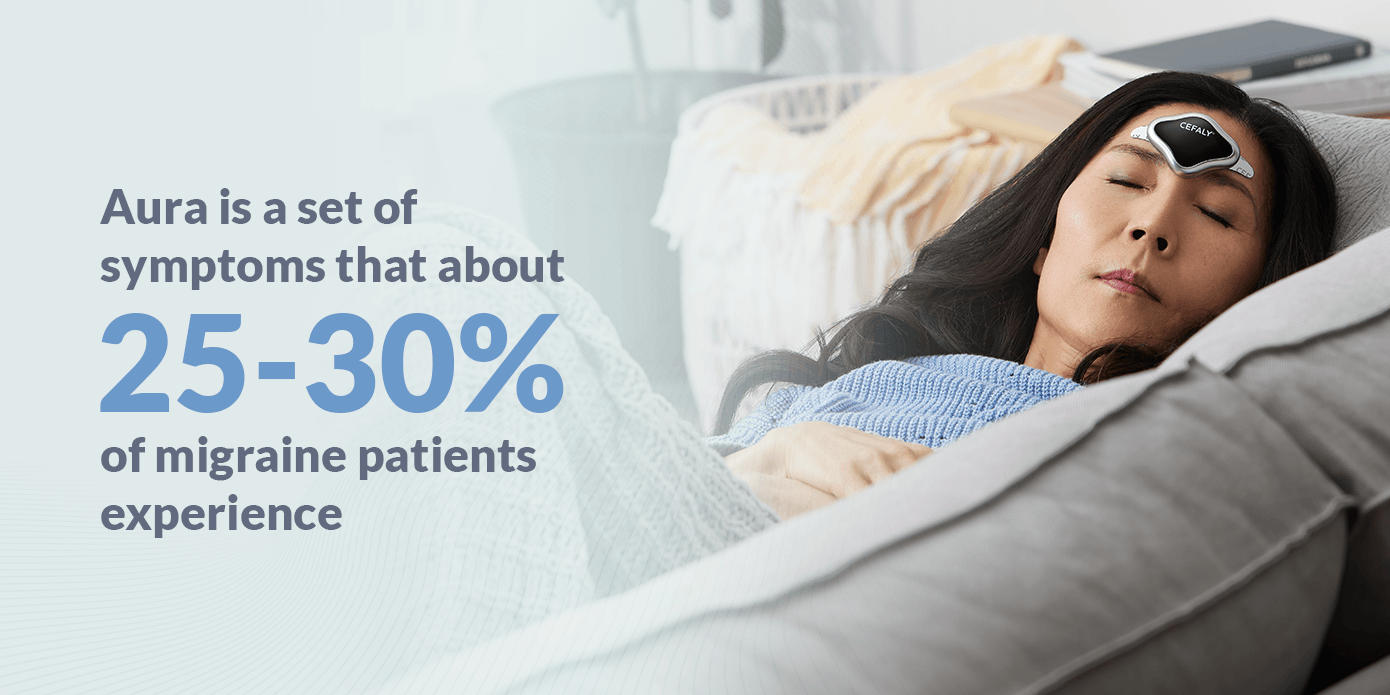
Migraine is different for everyone. You may have a common migraine or migraine with aura. A migraine aura is any sensory disturbance, including vision changes. Untreated, attacks can last four to 72 hours. As a teacher, migraine can be highly debilitating. If it occurs during or before school, it can disrupt your work or make you too sick to come in.
You can often recognize the onset of migraine by identifying symptoms in the prodrome stage. This stage can occur up to two days before a migraine attack. You may notice symptoms like:
- Depression
- Fatigue
- Frequent yawning
- Irritability
- Neck stiffness
- Food cravings
Exploring common migraine triggers in the classroom
Scientists have yet to discover a concrete cause for migraine. However, common migraine triggers exist. People who have migraine attacks regularly can benefit from tracking these triggers. As a teacher, your job puts you in a space where you may experience more than one trigger at a time. When you know what they are, you can avoid them. Some common migraine triggers include:
- Stress: We all have more stressful days than others at work. A classroom full of rowdy children can be enough to trigger a stress response.
- Dehydration: When busy molding young minds, it’s easy to forget to hydrate. Many people with migraine report dehydration as a common trigger.
- Bright lights and loud noises: Your environment can trigger a significant migraine. These triggers can quickly compound when you’re in a brightly lit classroom with excitable students.
- Seasonal changes: The weather and seasons can also impact your susceptibility to migraine attacks.
- Food and drinks: Grabbing a quick snack between classes may seem innocent. However, certain foods can trigger migraine attacks. For example, avoid excess caffeine, chocolate, cured meats and aged cheese. It’s also important to limit your intake of preservatives like monosodium glutamate.




How to get rid of migraine at school
Although experiencing a migraine attack while teaching can be disruptive, there are steps you can take to prevent it. When you take control of your migraine, you go to work confident and give your best to the children in your care. Some tips and tricks for getting rid of migraine at school include:
Start at home
One of the most effective ways to keep migraine away at school is to focus on your habits at home. Set yourself up for a productive and migraine-free school day with the following tips:
- Get enough sleep: A good night’s sleep is essential to tackling a busy school day. Aim for seven to nine hours and try to get plenty of rest on the weekends. Schedule some downtime during breaks to nap somewhere quiet.
- Focus on healthy habits: You can develop positive habits at home that help you at school. Small lifestyle changes like regular, nutritious meals and light physical exercise are beneficial. Start small and take it slow to check your body’s response.
- Tackle stress: We all know that some stress is unavoidable. In some cases, stress can even be good for you. If your stress triggers migraine, you can limit its effects. Meditation and yoga can benefit some people with migraine — you only need a few minutes before or after work.
Track your attacks
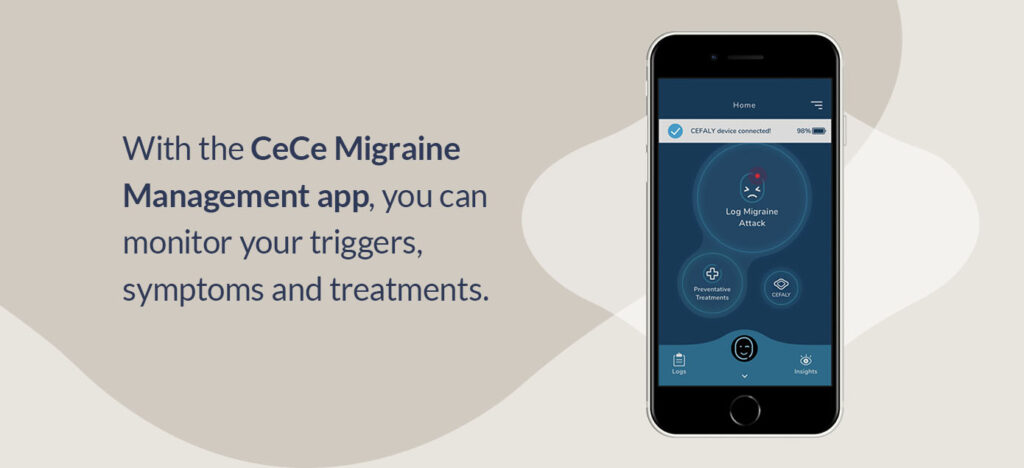
When you understand what triggers your migraine, you can take steps to avoid them. Tracking your migraine triggers gives you an inside look at your own life with migraine. With the CeCe Migraine Management app, you can monitor your triggers, symptoms and treatments. You can also keep a detailed migraine journal and set reminders to help you adhere to your treatment plan. As you track, you may identify triggers you didn’t know about. From there, you can plan a more effective school day.
Once you know your principal triggers, you may have to make some changes in your classroom. For example, if loud noises are a potent trigger, you can start a quiet time ritual whenever the class becomes too rowdy. You may also have the option to dim the lights.
Put together a migraine toolkit
If you’re at school and feel the onset of an attack, a migraine toolkit can keep you teaching until the end of the day. This collection of items can soothe your migraine pain and make you feel better. Even reaching for it can lessen your anxiety. What you put in your migraine toolkit is entirely up to you, but consider including:
- Ice packs and an ice roller
- A heating pad
- Water
- Migraine medication
- Drug-free migraine alternatives
- Migraine glasses
Drug-free alternatives are significant if you experience a migraine during class. You want to stay alert but also feel some relief from your symptoms.
Create a migraine support system
Opening up about your condition may seem risky or uncomfortable. Still, you have everything to gain when you explain your situation to the administration. Your school may offer you assistance and accommodations when they understand your situation.
Building a support system is crucial for anyone who experiences migraine. While it will consist mainly of trusted friends and family, opening up to some colleagues can relieve the pressure at school. Their understanding and support will be crucial on migraine days, and they can stand in for you if you have an attack.
How to explain migraine to your class
Another excellent way to relieve the pressure of migraine is to explain it to your students. When they understand what you’re going through, they can help you and provide support. Depending on the age group you teach, it may be a challenging concept to explain. Luckily, resources exist specifically for this purpose. Organize a reading period and share the following books with your class:
- “Migraine and Mia” by Kat Harrison: This book provides a funny and upbeat look into the world of migraines. It places children at the story’s center and shows them how to support people with migraine.
- “Milly Has a Migraine” by J.C. McPhail: This illustrated tale shows your students firsthand some of migraines’ downsides and how they impact their lives.
- “The Day My Best Friend and a Migraine Slept Over” by Audrey Beth Stein: This impactful story shows children how a migraine can affect their daily activities. It also illustrates the coping mechanisms that help with migraine attacks and underscores how migraine is manageable with some small adjustments.
If you teach older children, you can share some clinical studies and discuss migraine triggers and symptoms. If you experience a migraine in class, talk through them in real time. Eventually, they may learn how to help and support you.
Try CEFALY risk-free and make your next school day a success
Balancing your teaching responsibilities with migraine attacks can be challenging. If you want to give your all as a teacher, CEFALY could be the answer. We provide clinically proven, drug-free migraine treatment and prevention. CEFALY targets the trigeminal nerve — the primary pathway for migraine pain. Our device uses external trigeminal nerve stimulation (eTNS) to desensitize the trigeminal nerve over time.
Discover CEFALY today. Browse our selection of FDA-cleared products and rediscover your love of teaching.





Latest Posts


“CEFALY Gave Me My Life Back”: Camille’s Search for a Drug-Free Migraine Treatment
Discouraged by her experience with medications, Camille began building a toolkit of non-pharmacologic migraine treatments. Find out what…

What Patients Need to Know About Episodic Migraine vs. Chronic Migraine
While official definitions classify episodic migraine as fewer than 15 headache days per month and chronic migraine as…