



Guide to Massages and Migraine
- Benefits of migraine massages
- Types of massages
- Self-massage techniques
- How to prepare for a massage
For some, a migraine massage is a great complementary treatment to their existing migraine treatment plan. But do massages help migraine headaches? It’s an avenue worth exploring. Let’s discuss the possible benefits and the types of migraine head massages you can try.
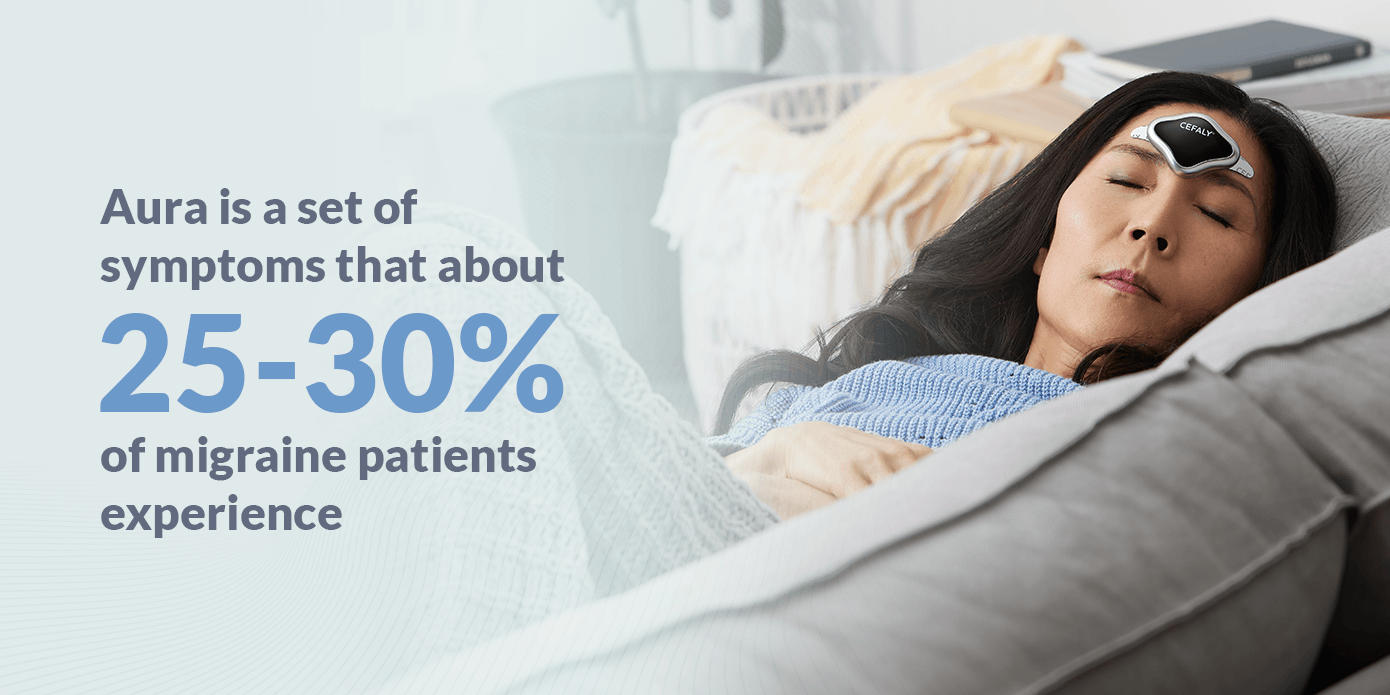
PS: If you love that relaxing massage feeling, CEFALY might be just the migraine treatment you’ve been looking for. Once you pinpoint your perfect intensity level, the nerve stimulation feels like a gentle head massage. Try CEFALY risk-free for 90 days and experience drug-free relief.
Benefits of massage for migraine relief
First, it’s important to note that not everyone with migraine benefits from massage. Some people find that massage can trigger a migraine attack or make headache pain worse — especially deep, intense bodywork. But massage can also offer wonderful benefits!
Reduces muscle tension and stress
Elevated stress levels are a major trigger for many people with migraine, especially for those prone to stress-induced migraine attacks. Stress comes with various physical symptoms, including tensed-up muscles — this is where massage therapy shines.
A massage can target specific areas of the body where muscles are tense and knots are formed. The pressure helps release this muscle tightness, even after one professional session. The improved mobility can be an extra benefit.
Releases endorphins for pain relief
A nice massage may release endorphins, the body’s “feel-good” chemicals. The hormone’s main goal is to inhibit pain signals to the brain, which is why a deep-tissue massage may help alleviate migraine-related pain.
Myofascial release is a type of massage therapy that may also be beneficial. Studies show that it may help significantly reduce pain intensity.
Try CEFALY for Migraine Relief
Promotes relaxation and better sleep
Inadequate sleep or sleep disorders are migraine triggers for some. The brain’s orexin and melatonin levels may come into play, as both relate to pain and sleep issues. A relaxing massage can help make a difference.
When you receive a message, the body’s parasympathetic nervous system (PNS), or the “rest and digest” system, is activated. Once activated, the PNS slows your heart rate and breathing and promotes muscle relaxation to help you sleep.
Improves circulation and blood flow
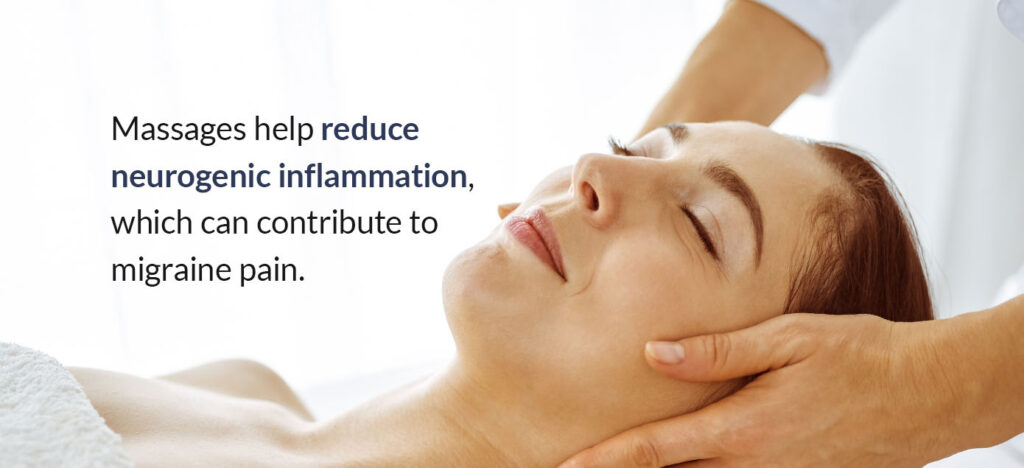
A massage’s pressure on your muscles helps stimulate blood flow and circulation. Massages help reduce neurogenic inflammation, which can contribute to migraine pain. However, it may not be that simple.
Research shows that changes in your blood vessels and blood flow don’t trigger a migraine, but they may contribute to it. For example, for some, the effects of restricted blood flow — narrowing of blood vessels and decreased oxygen supply — may trigger a migraine. However, the opposite can be true for others.
Migraine are complex neurological events, and their triggers and treatments can vary widely among individuals.
Types of massage techniques for migraine
A migraine headache massage can be a holistic approach to managing the condition, but which massage techniques are best for you?
1. Swedish massage
A Swedish massage uses long, flowing strokes and kneading to help relax your muscles. This technique also involves gentle tapping and other rhythmic techniques. For migraine, massage therapists may focus on your upper back, shoulders and neck to release tension and stress.
2. Deep tissue massage
As the name suggests, this technique focuses on the deeper muscle layers and connective tissue. Using their knuckles and thumbs, massage therapists will apply firm pressure and slow, gliding strokes to target knots and tight muscles. If your migraine stems from stiff muscles, a therapist will focus on the problem areas.
3. Trigger point therapy
This specialized technique, also known as myofascial release therapy, applies direct, sustained pressure on specific muscle “trigger points” that can refer pain to other areas in the body. Trigger point therapy helps release muscle knots and improve range of motion. For migraine, well-trained therapists can help identify and focus on these tender areas — typically myofascial trigger points — gradually increasing the pressure’s intensity.
4. Craniosacral therapy
Craniosacral therapy uses light pressure and subtle movements to release tension in the craniosacral system, which includes the membranes and cerebrospinal fluid that envelop the brain and spinal cord. Studies show that it can help alleviate migraine intensity and frequency and other headache-related disabilities.
5. Reflexology
This technique applies pressure to specific reflex points on the feet, hands and ears that correspond to different body organs and systems. For example, it’s believed that your big toes are “linked” to your brain, head and neck. For migraine, a reflexologist will use thumb walking, finger pressure and circular movements to aid in migraine relief.
6. Acupressure
Acupressure is a traditional Chinese medicine technique that applies pressure to specific points to alleviate pain. This technique adds direct, sustained pressure on these points to balance your energy flow, or qi (pronounced “chee”). Certain pressure points like your Third Eye and Daith may alleviate migraine pain.
This technique is based on a similar principle as acupuncture, which involves inserting needles into specific acupoints in the body.
7. Aromatherapy
While not a massage technique on its own, aromatherapy can go hand in hand with the above massages. It uses essential oils to help boost relaxation and well-being. Massage therapists may use these oils in a diffuser or for topical application.
Various oils, including lavender, peppermint and eucalyptus oil, are believed to help reduce the severity of migraine. However, practice caution if certain odors trigger migraine, which may vary from person to person.
Self-massage techniques for migraine relief
If you don’t want to visit a massage specialist, try performing a migraine head massage at home:
- Forehead and brow massage: Place your thumbs at the center of your forehead. Gently press and slide them outward toward your temples, repeating for 30 seconds.
- Temple circles: Use your index and middle fingers to apply gentle pressure to your temples. Move in slow circular motions for one minute. Remember to breathe deeply and relax your jaw.
- Base of skull release: Place your thumbs or fingertips at the base of your skull — where your head meets your neck. Apply gentle pressure and make small circles for one to two minutes. Tilt your head slightly back for deeper relief.
- Neck and shoulder roll: Use your fingers to knead your shoulders and the sides of your neck. Apply firm yet gentle pressure and work from the base of your skill down to your shoulders. Repeat for one to two minutes.
- Scalp massage: Use your fingertips to massage your entire scalp as if you’re shampooing your hair. Apply light to medium pressure in circular motions for one to two minutes.
How to prepare for a massage session
Preparation helps make the most of your session, whether you’re heading to a professional or using self-massage techniques.
With a massage therapist
Before arriving at your professional massage session, you should:
- Avoid heavy meals: Eat light at least one or two hours before your massage.
- Wear comfy clothing: Wear loose, easy-to-remove clothes to make undressing and dressing easier.
- Communicate your needs: Tell your massage therapist you have migraine. Talk to them about specific pain points you have, as well as any areas you’d like them to avoid.
- Arrive early: Give yourself time to relax and arrive about 10 to 15 minutes early.
- Relax your mind: Enhance relaxation and practice deep breathing before the session.
- Skip caffeine and alcohol: These can make you feel restless or dehydrated.
For self-massage
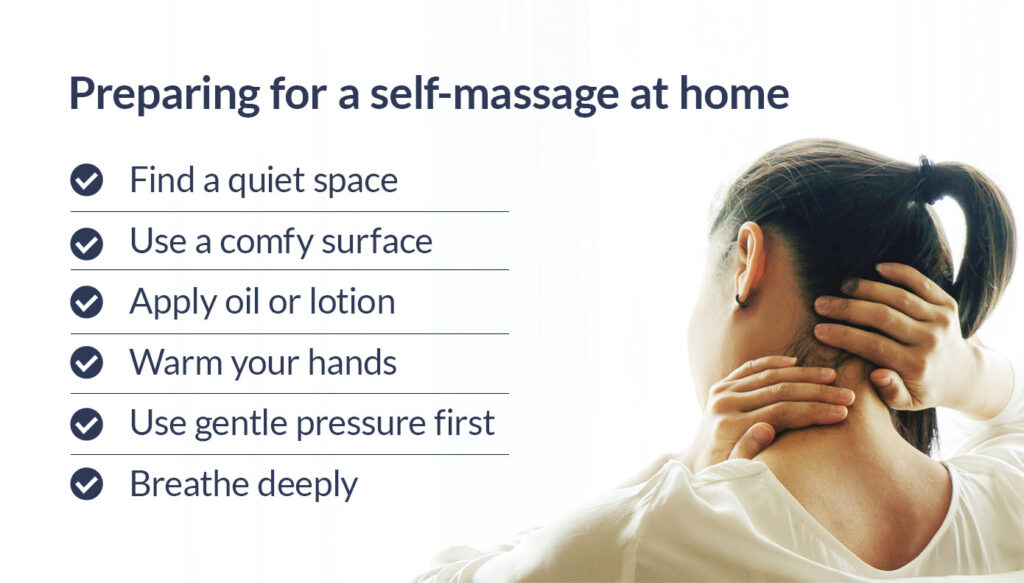
Here’s how you can prepare for a relaxing self-massage session at home:
- Find a quiet space: Choose a calm, dimly lit area to help you relax.
- Use a comfy surface: Sit or lie down in a position that supports your posture.
- Apply oil or lotion: This is optional, but an oil or lotion can enhance the experience.
- Warm your hands: Rub your hands together for a few seconds to warm them up before the massage.
- Use gentle pressure first: Start with light strokes and gradually increase the pressure.
- Breathe deeply: Inhale slowly through your nose and exhale through your mouth to help with relaxation.
Try CEFALY for migraine relief
While a massage may help some people manage their migraine symptoms, it’s important to note that this condition is complex and can be influenced by many factors. What works for one person may not work for another. Always consult a healthcare professional for a comprehensive approach to your migraine management needs.
If you’re interested in a prescription- and drug-free treatment, CEFALY is a clinically proven and FDA-cleared option. Using gentle nerve stimulation, CEFALY prevents and relieves migraine pain.
Try CEFALY for migraine relief today!



Latest Posts


“CEFALY Gave Me My Life Back”: Camille’s Search for a Drug-Free Migraine Treatment
Discouraged by her experience with medications, Camille began building a toolkit of non-pharmacologic migraine treatments. Find out what…

What Patients Need to Know About Episodic Migraine vs. Chronic Migraine
While official definitions classify episodic migraine as fewer than 15 headache days per month and chronic migraine as…