



How to Manage Migraine as a Nurse or Nursing School Student
If you are a nurse or studying to be one, you have an essential role in our healthcare system. But the stress, long hours, and physical toll of nursing can strain your own health as you work hard to help others. Migraine is one of the biggest challenges some nurses face.
This guide will help you understand migraine triggers and get the relief you deserve.
Common nurse migraine triggers
Knowing your triggers is essential to an effective migraine prevention and management plan. Nursing environments present several common migraine triggers:
- Stress: Whether you’re working full-time or part-time or studying, nursing is a high-stress field. In one study, stress was a trigger factor for over 60% of nursing students who experienced migraine.
- Irregular sleep: Lack of sleep and irregular sleep are common migraine triggers. Nurses and students are at high risk from poor or shifting sleep schedules. A bad night’s sleep has preceded many a nurse or nursing student’s migraine episode.
- Caffeine: Some people find that a cup of coffee relieves migraine symptoms. But caffeine-induced dehydration and withdrawal can trigger migraine in others. Be careful not to depend on caffeine to get you through long shifts or study sessions. Excessive coffee and energy drinks may aggravate nursing students’ headaches and migraine episodes.
- Diet: Certain foods and substances like histamine and MSG can trigger migraine. Chocolate and processed meats are common trigger foods. A hectic nursing schedule makes it challenging to maintain good nutrition habits.
- Dehydration: Dehydration is a trigger for around a third of migraine sufferers. Carrying a water bottle and tracking water consumption could help prevent migraine episodes.
- Light: Exposure to bright or flickering lights can trigger migraine attacks. During attacks, light sensitivity accompanies a migraine headache for 80% of nursing students. This is a challenge for nurses, who work under lights for long and abnormal hours.
- Smells: Some smells can activate nasal nerve receptors and trigger migraine attacks. Medical environments contain many harsh smells that can cause a nurse’s headache.
- Hormones: Female nurses are three times more likely to suffer from migraine than men. Migraine episodes correlate with estrogen shifts during the menstrual cycle for many women. Lifestyle, diet and birth control can affect migraine frequency through hormonal changes.
Consider keeping a migraine journal to find patterns in your migraine triggers. Log your migraine symptoms and possible triggers. Over time, this helps you identify and avoid triggers to reduce your migraine frequency. A migraine journal can also help inform your doctor’s treatment approach.
Try CEFALY to Prevent & Relieve Migraine Pain
Preventing migraine as a nurse or nursing student
Finding the right migraine prevention plan can be challenging. Each nurse has their own triggers and responds best to different interventions. Try these preventive measures to discover which ones work best for you:
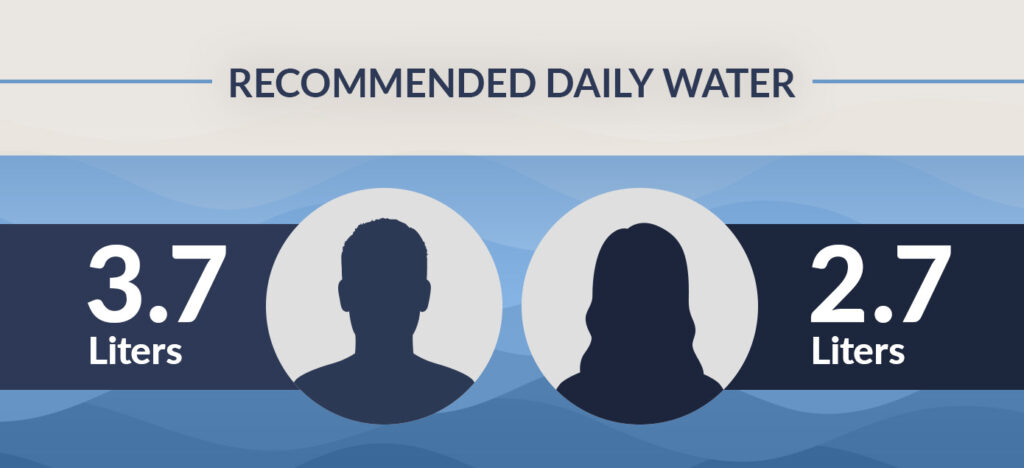
- Hydrate often: Adequate hydration is essential for staving off migraine. The recommended daily water intake is 3.7 liters for men and 2.7 liters for women. This may seem like a lot, but it’s attainable by keeping a bottle on hand and sipping throughout the day.
- Nourish yourself: Food quantity and quality can impact migraine frequency. Schedule time to do meal prep for the week ahead and bring a lunchbox. This will help you avoid skipping meals or turning to trigger foods out of necessity.
- Track symptoms and triggers: Keep a migraine journal to understand and avoid triggers. Use it to look for patterns. For example, you may find you often have symptoms the day after drinking alcohol. If so, try reducing your intake or drinking more water.
- Carry your kit: Bring a migraine rescue kit to work or campus. Include water, snacks, electrolyte packets, acute medications and anything else you find helpful.
- Communicate: Maintain regular, open communication with your doctor about your migraine experience. Share your migraine journal with them and discuss your symptoms and triggers. Be honest about how you’ve responded to any treatments they suggest. Discuss accommodations with your administrators if migraine often affects your ability to work.
- Enhance your sleep: Aim for at least seven hours per day and as much consistency as possible in your sleep schedule. Nursing makes this difficult, but good sleep hygiene reduces your migraine attack risks. Do your best to create a cool, dark environment and avoid screen time before bed for healthy sleep.
- Work out: Regular exercise can reduce migraine frequency and severity. It helps reduce stress, improve sleep and lift mood for many people. Choose a type of exercise you enjoy, and you’ll have an easier time remaining consistent. Walking, jogging, swimming, cycling and dancing are all great options.
- De-stress: Use relaxation exercises to reduce stress before it triggers a migraine episode. Breathing exercises are helpful for many.
- Try nerve stimulation: The trigeminal nerve is a major migraine pain pathway. Target it with a clinically supported, preventive electrical nerve stimulation (ENS) treatment. This can reduce migraine frequency.
Managing migraine and nursing
Most people with migraine find that attacks decrease in frequency with age. Migraine symptoms are most frequent and intense from 20 to 50 — your crucial study and work years. During this time, the tips we’ve suggested can help reduce migraine frequency. But there is no established cure for migraine, and not every attack is preventable. Sometimes, a nurse needs to shift from preventive strategies to migraine management.
Methods to manage and relieve acute migraine episodes include:
- Removing triggers: If you feel a migraine episode coming on, try addressing triggers. If bright light and noises trigger your symptoms, move to a dark, quiet space and lie down if possible. In those cases, use your relief kit to manage the symptoms until you can address the triggers.
- Rest and refreshment: Water, a meal and sleep can help relieve a migraine episode. When eating, try to have a nutritious meal and avoid migraine-triggering foods.
- Prescription medication: Your doctor can prescribe acute migraine medication to relieve pain. Triptans and analgesics are common acute migraine medications.
- ENS: Try an ENS treatment device for acute pain relief. Stimulating the trigeminal nerve with electrical pulses can relieve migraine pain.

Try CEFALY for migraine relief
As a nurse or nursing student, you make a valuable contribution to our healthcare system. You deserve better than living at the mercy of migraine. Try CEFALY, an FDA-cleared, drug-free migraine treatment device. CEFALY has two modes that you can use alone or with other treatments:
- PREVENT: A 20-minute daily treatment to reduce migraine frequency
- ACUTE: A 60-minute treatment to stop or reduce pain at onset
Order CEFALY today and try this proven treatment with a 90-day money-back guarantee.


Latest Posts


“CEFALY Gave Me My Life Back”: Camille’s Search for a Drug-Free Migraine Treatment
Discouraged by her experience with medications, Camille began building a toolkit of non-pharmacologic migraine treatments. Find out what…

What Patients Need to Know About Episodic Migraine vs. Chronic Migraine
While official definitions classify episodic migraine as fewer than 15 headache days per month and chronic migraine as…