



Coping with Migraine Triggers after a Traumatic Brain Injury
A sudden fall onto a hard surface; a blunt hit while playing football; a car accident; a violent assault. These are just some of the ways Traumatic Brain Injury (TBI) occurs – an all too common condition resulting from a sudden external force that injures the brain.
There are about 1.4 million cases of TBI each year in the United States, and it’s one of the main causes of disability and death in adults.
What is also common is one of the resulting effects of a TBI, notably migraine headaches. Living with a TBI is already difficult, but even more challenging when coupled with the intense pain of chronic migraine. With research showing a significant connection between these two disorders, together they can profoundly impact a person’s quality of life.
We will explore the relationship between TBI and migraine, and ways to manage the triggers and pain with practical tips and strategies.
Understanding the Link between TBI and Migraine
Johns Hopkins Medicine defines TBI as, “a broad term that describes a vast array of injuries that happen to the brain. The damage can be focal (confined to one area of the brain) or diffuse (happens in more than one area of the brain.)”
Sports-related injuries, motor vehicle accidents, falls, recreational and job-related accidents are all common ways in which someone may experience a TBI. Other causes include a jolt to or shaking of the head. Some TBI are mild, as in a concussion, or severe, like those resulting in permanent disability.
Research indicates that individuals who have experienced a TBI, especially those with moderate to severe injuries, are at an increased risk of developing migraines. A study published in Headache: The Journal of Head and Face Pain found that TBI patients were significantly more likely to report migraine symptoms compared to those without TBI history (Gordon et al., 2016.)
What is a Migraine?
A migraine is a neurological disorder that can be debilitating for many. These kinds of headaches happen because an area of the brain becomes hypersensitive and can trigger a pain signal that spreads out to other parts of the brain.
This headache condition affects more than 1 billion people worldwide (most of them women,) and can look different in different people. A migraine can last from several hours to many days, bringing with it a pulsating, throbbing pain, nausea and vomiting, and sensitivity to light and sound.
Post-traumatic headaches, like acute migraines, occur in up to 90% of persons who have symptoms from mild head injuries. Post-traumatic headaches are more common in those who have a prior history of headaches.
Why is there a Connection between TBI and Migraine?
Research suggests that neuroinflammation in the brain increases after TBI, resulting in subsequent activation of the trigeminal sensory system (Ashina H., et al., 2019.)
The trigeminal nerve — a multi-branched nerve in the head and face — is the major conductor of migraine pain. The neuroinflammation experienced after a TBI is believed to be one reason migraine is commonly connected to this experience.




Common Migraine Triggers after Experiencing TBI
For those who live with migraine, many factors contribute to setting off the debilitating pain. These are some common triggers, but many more exist and the responses are unique to each individual.
Physical Triggers: These may include fatigue, changes in sleep patterns, pain, overexertion and hormonal fluctuations.
Environmental Triggers: Changes in weather, light and noise sensitivities, large crowds and air pollution can all contribute.
Emotional and Cognitive Triggers: These occur with mental overload and fatigue, stress, anxiety and depression.
Consumed Triggers: These may include alcohol, caffeine, tobacco, certain foods, and even migraine medication itself.
Tips for Managing Migraine Triggers
A multifaceted approach to managing and treating migraine resulting from a TBI is commonly used. First, it is important to identify and prevent your migraine triggers and get ahead of the pain.
1. Identify Migraine Triggers
- Keep a migraine diary detailing your triggers, like stress and food
- Monitor daily activities and recognize symptoms
- Use the CEFALY CeCe app to track and manage your migraine patterns
2. Practice Preventative Strategies
- Establish a consistent and balanced sleep routine
- Implement stress management techniques, like stretching and meditation
- Use the CEFALY prevent mode daily for long-term migraine prevention
3. Lifestyle Adjustments
- Create a migraine-friendly environment, including light and noise reduction
- Explore migraine management devices and accessories
- Maintain a balanced diet free of food triggers, get fresh air and stay hydrated
Treatment Options and Support
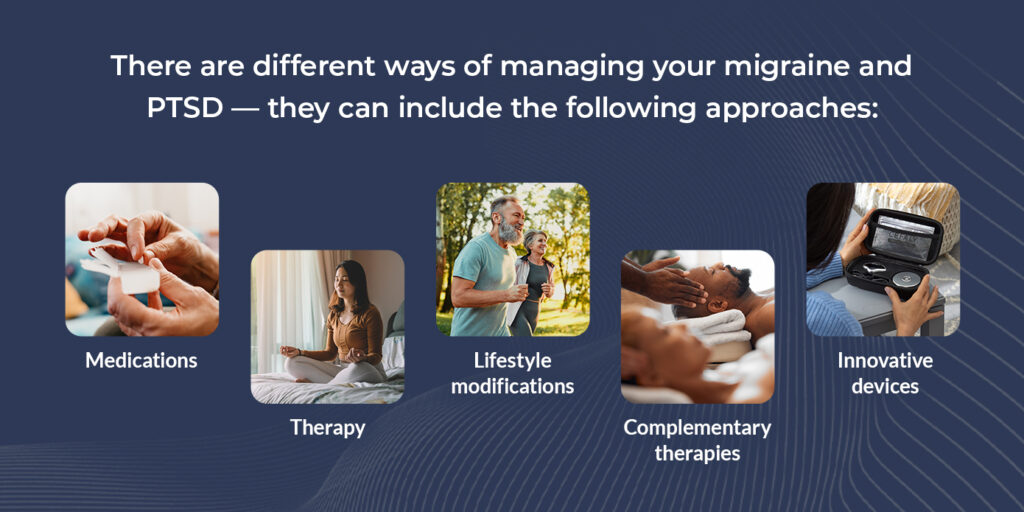
In addition to the preventative actions mentioned above, migraine treatment might be combined with medications designed specifically for migraine pain. Some of these include over-the-counter medications like aspirin, acetaminophen, ibuprofen and naproxen sodium, and prescription medications including triptans, butalbital, and opiates. It is important to work closely with your doctor to determine the right medication and dosage for you, as some may cause unwanted side effects like rebound headaches and make the situation worse.
There are also non-medicated paths that focus on a therapeutic approach to relieving and treating migraine. Some of these include cognitive-behavioral therapy (CBT) to manage stress and anxiety, physical therapy and exercise to target tension points, and acupuncture and biofeedback.
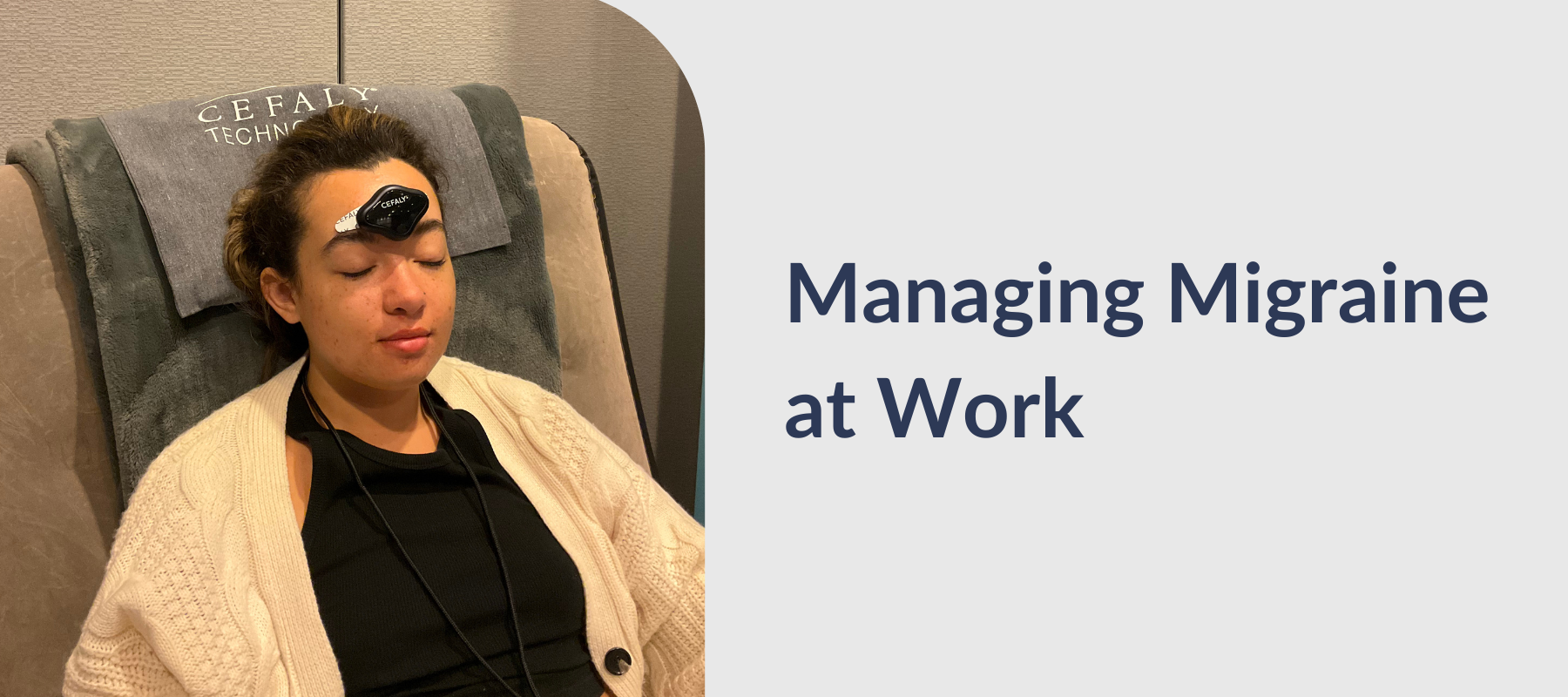
There are also non-invasive, wearable devices that focus on certain nerves to desensitize them. CEFALY is an FDA-cleared medical device that stops migraine pain at the source. It delivers tiny electrical impulses through the forehead to the trigeminal nerve, soothing migraine pain and preventing attacks. Unlike medication, CEFALY has no serious adverse side effects, and no prescription is required.
The American Migraine Foundation notes that, “good sleep, exercise to tolerance, relaxation and stress management, reduced caffeine, regular healthy eating and avoidance of acute symptomatic medication overuse are recommended regardless of headache severity or type.”
Get the Help You Need
Whether mild or severe, a TBI is a serious situation that needs immediate medical attention. Disclosing any previous migraine conditions or subsequent migraine experiences to your doctor is imperative and is the best way to determine the right treatment for you.
TBI and migraine research is continually emerging with new studies that examine how these two conditions are linked, and to understand how they can be treated. Having the tools you need to identify your triggers and manage your migraine pain, both medically and therapeutically, lets you take control and start to heal after a traumatic event.
Try CEFALY today and start treating, preventing and managing your migraine pain.
References:
References:
https://americanmigrainefoundation.org/resource-library/mild-closed-head-injury-headache/
https://www.hopkinsmedicine.org/health/conditions-and-diseases/traumatic-brain-injury
Gordon, K., et al. (2016). “Migraine prevalence and characteristics in individuals with a history of traumatic brain injury.” Headache: The Journal of Head and Face Pain, 56(7), 1062-1072.
/blog/differences-between-migraine-headaches-non-migraine-headaches/
/blog/how-to-avoid-common-migraine-triggers/
Ashina H, Porreca F, Anderson T, Amin FM, Ashina M, Schytz HW, Dodick DW. Post-traumatic headache: epidemiology and pathophysiological insights. Nat Rev Neurol. 2019 Oct;15(10):607-617.
https://www.ncbi.nlm.nih.gov/books/NBK556134/




Latest Posts


“CEFALY Gave Me My Life Back”: Camille’s Search for a Drug-Free Migraine Treatment
Discouraged by her experience with medications, Camille began building a toolkit of non-pharmacologic migraine treatments. Find out what…

What Patients Need to Know About Episodic Migraine vs. Chronic Migraine
While official definitions classify episodic migraine as fewer than 15 headache days per month and chronic migraine as…