



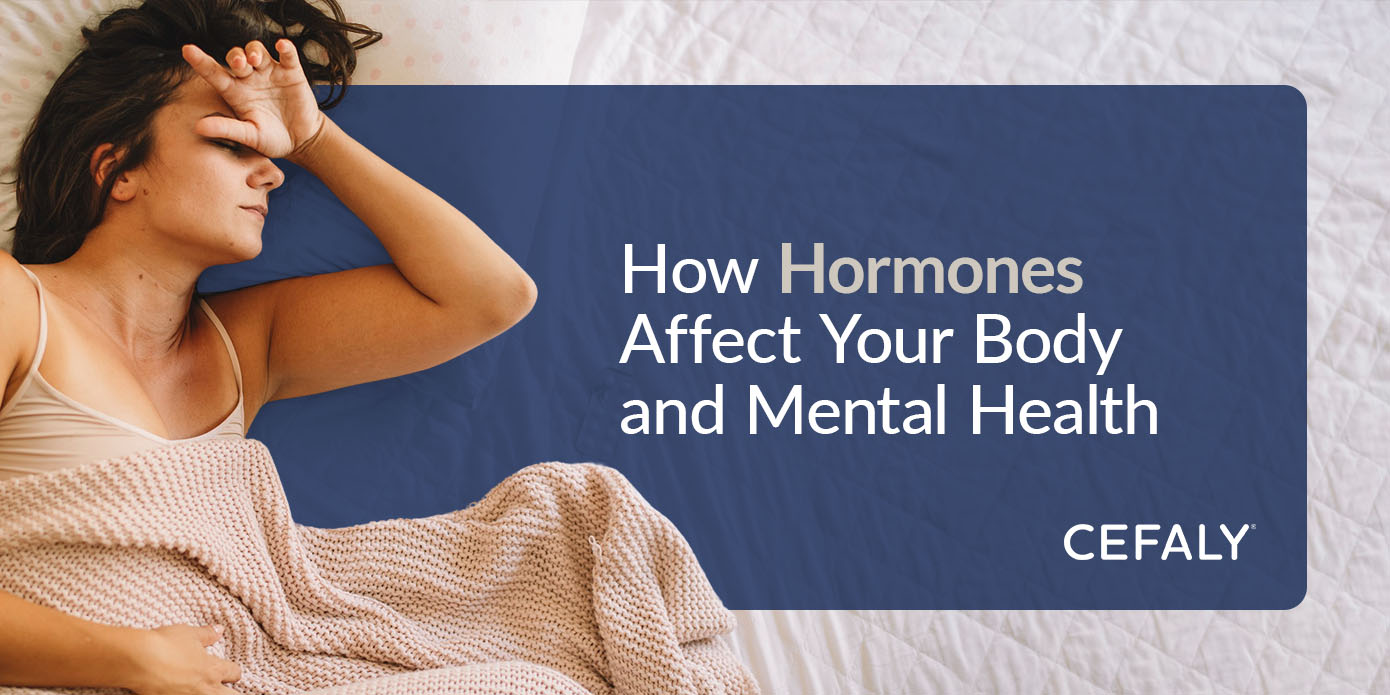
How Hormones Affect Your Body and Mental Health
Exploring the cause of hormonal imbalances and their effect on mental health can help women better understand their bodies and the connection between health issues and hormones. So, how do hormones affect emotions? And why do some women seem more affected than others? Connecting the dots between hormones and health allows women to better understand their bodies and take steps toward treatment.
How hormones affect mental health
Hormones play a significant role in mental health. Hormones are chemicals created by the endocrine system glands, and they help to regulate the body’s systems and processes. From improving sexual health and reproductive functions to controlling metabolism and moods, hormones are essential to overall physical and mental health.
While it may be obvious how hormones relate to physical well-being, their relation to mental health requires more exploration. Mental health issues may occur when hormones become dysregulated, meaning too much or too little of the hormone is produced. For many women, an imbalance of hormones may result in new mental health issues or worsening symptoms. Women with hormonal imbalances might experience hot flashes, mood swings, depression, anxiety or insomnia.
The hormones that affect women’s mental health the most are estrogen, progesterone and testosterone. If any of these become imbalanced, a woman might experience changes in brain chemistry, decreased moods or mental health issues. For example, reproductive and stress hormones have many side effects, such as irritability and anxiety. A cortisol stress hormone imbalance can cause depression and anxiety. The more the person experiences stress, the more they might experience anxiety and depression due to increased cortisol production.
Other hormone fluctuations may vary in their effect on mental health. Cortisol and dehydroepiandrosterone (DHEA) fluctuations, for example, have also been linked to a decrease in serotonin, the hormone that regulates mood and happiness. Regardless of the type of fluctuation, it is evident that hormones significantly impact the brain and mental health, not just the body’s physical health.
Health conditions caused by hormone imbalances
Hormone imbalances may cause many health conditions. Some women may experience worse symptoms from existing conditions should their hormones fluctuate. Here are six health conditions often affected by hormones.
1. PCOS
Polycystic ovary syndrome (PCOS) is a disorder that causes swollen ovaries and cysts. Many women with PCOS are more likely to experience anxiety and depression due to hormone fluctuations. Their symptoms, like weight fluctuations, insulin resistance, hirsutism or general health issues, might also be more severe. A hormone imbalance can worsen PCOS symptoms, predisposing those with the disorder to mental health issues.
2. Endometriosis
Endometriosis causes tissue lining to grow outside of the uterus. It can cause chronic pain, which often results in worse mental conditions. Due to hormone imbalances, those with endometriosis may also experience anxiety, depression, anger-management issues, or somatization.
From depressive symptoms to the presentation of anxiety, the existence of chronic pelvic pain (CPP) and its effect on mental health results in a vicious cycle. Chronic pain can cause mental health issues and vice versa, meaning these symptoms may continue to make each other worse. Finding ways to treat chronic pain can be the first step to improving a woman’s emotional and mental health.
3. PMDD
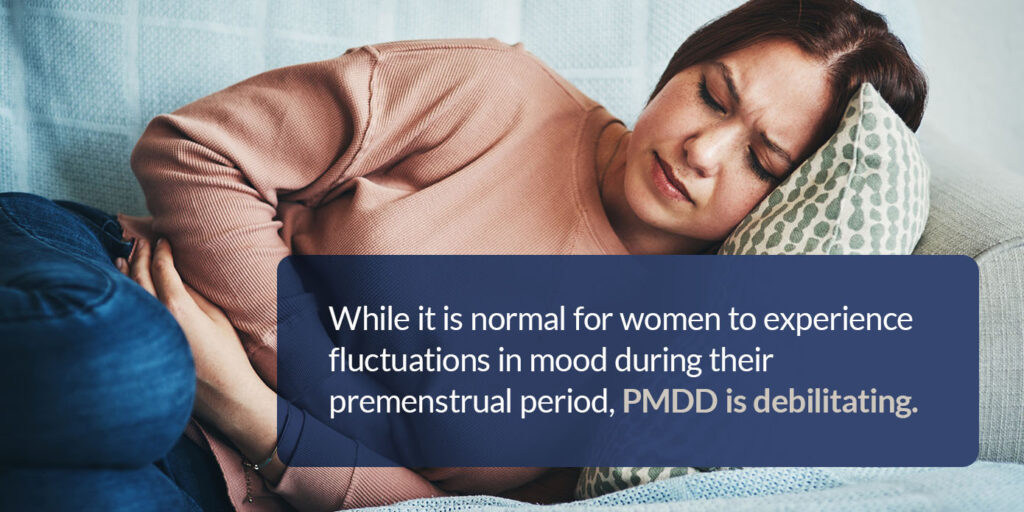
Premenstrual dysphoric disorder (PMDD) is a severe form of premenstrual syndrome. Many women experience mental health issues during this time, resulting in severe depression or anxiety, lack of interest in activities, worsened relationships with friends and families, anger, irritability, and panic attacks. While it is normal for women to experience fluctuations in mood during their premenstrual period, PMDD is debilitating. Those who experience PMDD may find relief from birth control pills, stress management techniques or antidepressants to reduce their symptoms.
4. Thyroid disorders
The type of thyroid disorder someone experiences depends on whether their body produces too much or too little thyroid hormone. An underactive thyroid may lead to hypothyroidism, which can come with symptoms such as depression, fatigue, reduced libido, trouble concentrating or weight gain. Hyperthyroidism, or an overactive thyroid, may lead to symptoms like anxiety, nervousness and irritability.
5. Menopause and perimenopause
Menopause marks the end of a woman’s menstrual cycle, meaning the baseline levels of estrogen and progesterone drop, creating mood fluctuations and shifting emotions.
As hormone levels change, it is common for women entering menopause or perimenopause to experience anxiety disorders, extreme depression or panic attacks.
6. Postpartum depression
Women who give birth often experience hormonal shifts during pregnancy, birth and birth recovery. The postpartum process can be one of the most challenging parts of the birthing experience. Many women experience seasons of sadness, melancholy or fluctuating mood levels. Those whose symptoms persist may be experiencing postpartum depression.
In the days after giving birth, the hormones that surge during labor will plummet. Mothers often feel roller coaster-like emotions in the first few weeks after giving birth, but around the six-week mark, they may notice symptoms of postpartum depression. Some of these symptoms include anxiety, loss of interest in activities, irritability and anger.




Hormones and headaches
Hormones also play a significant role in the occurrence of headaches and migraine. The hormone estrogen helps develop and regulate a woman’s reproductive system and is essential to a woman’s sexual, menstrual and physical health. Estrogen production may trigger a headache or migraine when the hormone levels fluctuate.
For example, many women experience headaches when estrogen levels dip during their menstrual cycle. As a result, many of the menstrual cycle symptoms, such as cramps, pains or cravings, may accompany a migraine attack or headache.
Other women also experience headaches during a hysterectomy procedure. When the womb is removed, women may experience fluctuating levels of hormones, causing more headaches than usual. Headaches may also be prevalent during menopause when a woman’s period stops and hormone production becomes irregular.
Hormones and headaches remain connected as long as a woman experiences her menstrual cycle. Many women find that the headaches begin once puberty starts and end once menopause occurs.
Migraine, which can involve extreme headache symptoms, is more likely to occur before or after a woman’s menstrual cycle. Estrogen and progesterone are at some of their lowest levels during this time.
Experiencing migraine can take a toll on mental health and may lead to symptoms such as stress, anxiety and depression. Alleviating pain from migraine may help improve mental health symptoms and relieve stress.
Get relief from hormonal migraine with CEFALY
CEFALY Technology is the creator of the CEFALY Connected device. Our FDA-cleared, wearable medical device offers relief for migraine and reduces the frequency of attacks through drug-free eTNS (external trigeminal nerve stimulation). The device stimulates and desensitizes the trigeminal nerve, helping those affected by migraine due to hormonal imbalances. Contact us today to speak to a representative or explore our product online.




Latest Posts


“CEFALY Gave Me My Life Back”: Camille’s Search for a Drug-Free Migraine Treatment
Discouraged by her experience with medications, Camille began building a toolkit of non-pharmacologic migraine treatments. Find out what…
What Patients Need to Know About Episodic Migraine vs. Chronic Migraine
While official definitions classify episodic migraine as fewer than 15 headache days per month and chronic migraine as…